

Acidic Geyser's Revival Offers Rare Insight into Earth's Geological Activity

Acidic Geyser's Revival Offers Rare Insight into Earth's Geological Activity

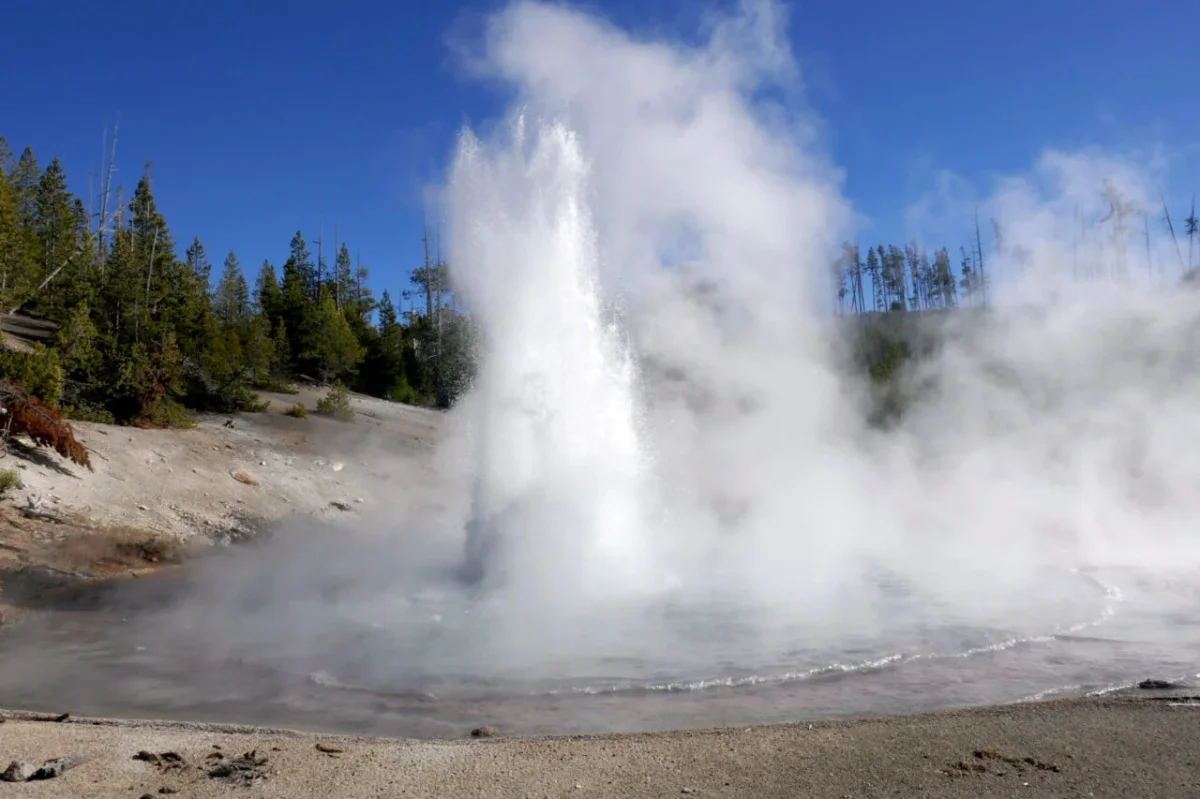
Echinus Geyser in Yellowstone has erupted consistently since February 7, marking its first active phase since 2017, with eruptions every 2 to 5 hours reaching heights of 30 feet.

NeboAI I summarize the news with data, figures and context
IN 30 SECONDS

IN 1 SENTENCE

SENTIMENT
Neutral

𒀭
NeboAI is working, please wait...
Preparing detailed analysis
Quick summary completed
Extracting data, figures and quotes...
Identifying key players and context
DETAILED ANALYSIS
SHARE

NeboAI produces automated editions of journalistic texts in the form of summaries and analyses. Its experimental results are based on artificial intelligence. As an AI edition, texts may occasionally contain errors, omissions, incorrect data relationships and other unforeseen inaccuracies. We recommend verifying the content.

Since February 7, Echinus Geyser in Yellowstone National Park has resumed its eruptive activity, marking the first such occurrence since 2017. Initially, eruptions were separated by several days, but they have progressed to intervals of every 2 to 5 hours, each lasting a few minutes and reaching heights of 20 to 30 feet (6 to 10 meters). This geyser, known for its acidic waters, is part of the Norris Geyser Basin, which is characterized by its unique geological features.

Yellowstone, straddling Wyoming, Montana, and Idaho, is the first national park in the United States and sits atop one of North America's largest volcanic systems. The park's geysers, including the famous Old Faithful and Steamboat, are driven by a combination of heated water and pressurized gases. The U.S. National Park Service states that these natural hot springs require specific conditions to form.

The Echinus Geyser's acidic nature makes it uncommon, as such conditions typically damage geyser plumbing systems. However, a balance of neutral waters at Echinus allows it to thrive, preserving its structure. This unique water chemistry contributes to the formation of distinctive red, silica-coated rocks surrounding the geyser.

Want to read the full article? Access the original article with all the details.
Read Original Article
TL;DR

This article is an original summary for informational purposes. Image credits and full coverage at the original source. · View Content Policy

Editorial
Editorial Staff

Our editorial team works around the clock to bring you the latest tech news, trends, and insights from the industry. We cover everything from artificial intelligence breakthroughs to startup funding rounds, gadget launches, and cybersecurity threats. Our mission is to keep you informed with accurate, timely, and relevant technology coverage.

Press Enter to search or ESC to close