
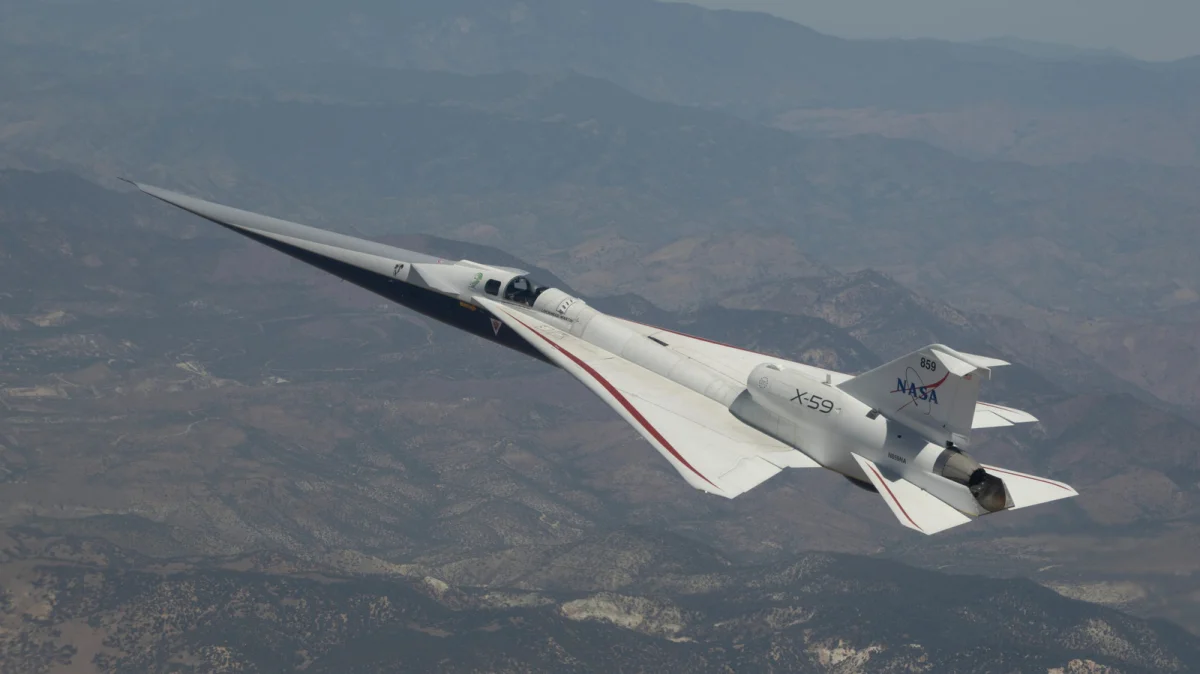

The upcoming supersonic flight of NASA's X-59 is set for early June, where it aims to reach speeds exceeding 630 mph at 43,000 feet. This marks a significant milestone in the development of the aircraft, which has been designed to minimize the typical sonic booms associated with supersonic travel. Following this initial flight, the X-59 will attempt to achieve 925 mph at 55,000 feet and ultimately target a maximum speed of 1,218 mph at 60,000 feet.
In a related development, the Federal Aviation Administration (FAA) has grounded SpaceX's Starship following a test flight that resulted in an unexpected mishap. The FAA's intervention comes as the agency investigates the circumstances surrounding the failed soft splashdown of the Super Heavy booster, which occurred after the Starship separated from it. SpaceX reported that the booster attempted a directional flip and a boostback burn but was unable to ignite all its engines.
This week also saw updates on various scientific endeavors, including NASA's plans for moon base missions and a significant discovery by the James Webb Space Telescope, which identified a supermassive black hole that may have formed shortly after the Big Bang. Additionally, Blue Origin's New Glenn rocket was destroyed on the launchpad, highlighting the complexities and risks involved in space exploration.