
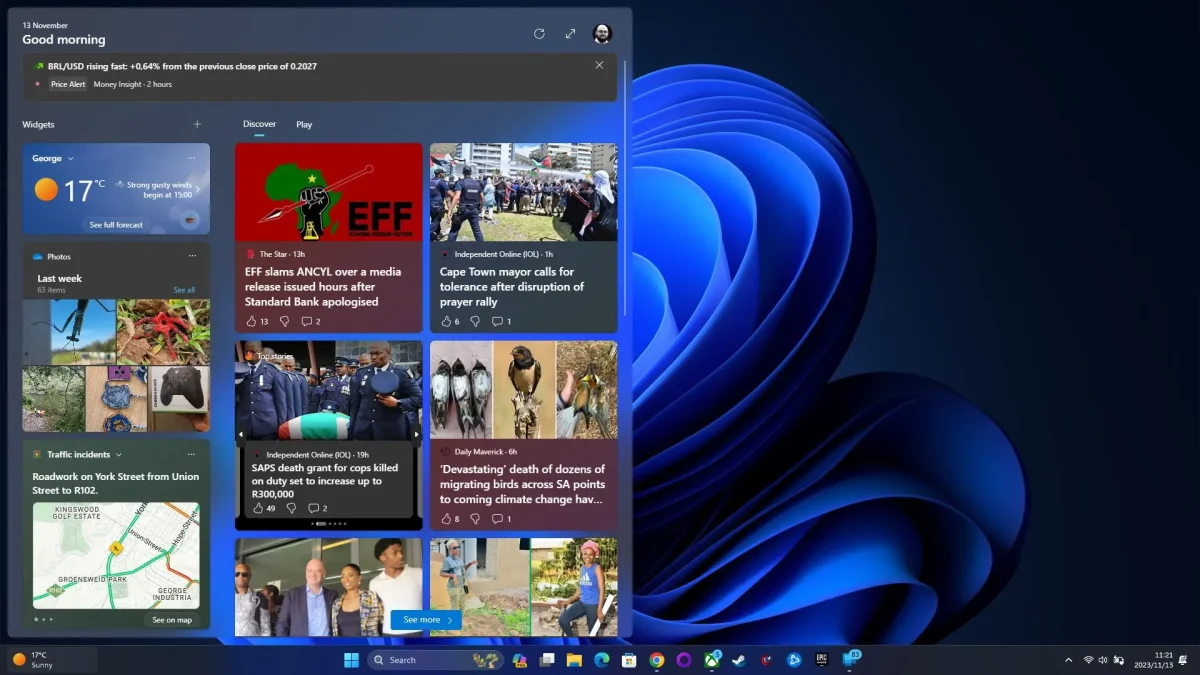

The ongoing struggle of Microsoft with desktop widgets highlights a significant disconnect between user needs and the company's design philosophy. Despite multiple iterations and rebranding efforts, features like dynamic tiles continue to face rejection from users who prefer a focused workspace. Historically, every attempt to integrate these widgets into the Windows operating system has met with failure, largely because desktop use differs markedly from mobile interactions.
For users engaged in serious tasks, the desktop serves as a critical workspace rather than a mere dashboard cluttered with distractions. This fundamental misunderstanding by Microsoft has led to frustrations, as seen during the poorly received Windows 8 transition to a tile-based interface, which favored mobile-like interactions over practical usability. The persistent push for mobile-style engagement on PCs raises questions about the company’s commitment to understanding its user base.
As Microsoft continues to explore this integration of mobile and desktop experiences, the emphasis remains on transforming the operating system into a platform for engagement, potentially at the cost of its core functionality as a productivity tool.