
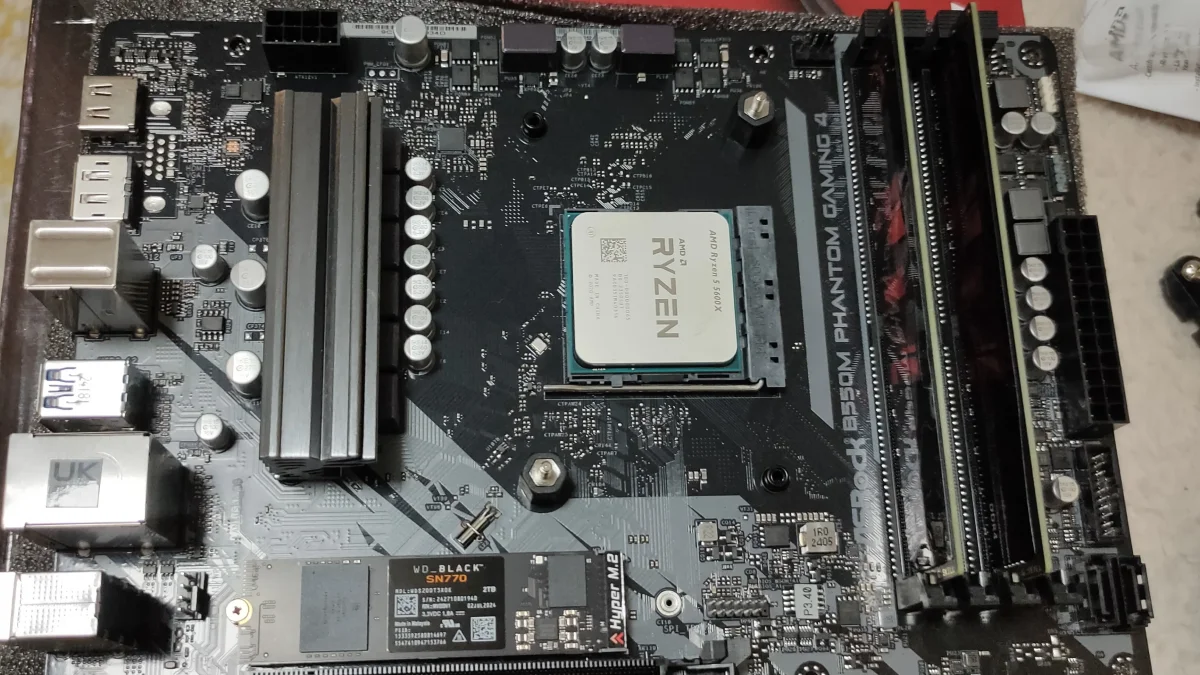

Modern PCs require frequent updates to their firmware, with new BIOS versions typically released every one to two years. This shift in update frequency contrasts with past advice suggesting users avoid BIOS changes unless issues arose. As technology advances, the firmware originally installed on motherboards becomes outdated, impacting performance and compatibility.
Upgrading to newer operating systems, such as Windows 11, often necessitates a BIOS update for optimal functionality. Features like advanced power management and improved hardware drivers mean that users may experience significant performance gains with the latest firmware. Additionally, if a user plans to install a new CPU, updating the BIOS is crucial, as compatibility with the latest processors may be compromised without it.
As operating systems evolve, the disparity between existing firmware and current software continues to widen, making timely updates essential for maintaining system efficiency and compatibility. In this context, understanding that the term "BIOS" is increasingly outdated, with UEFI becoming the standard, is important for users navigating the modern computing landscape.