
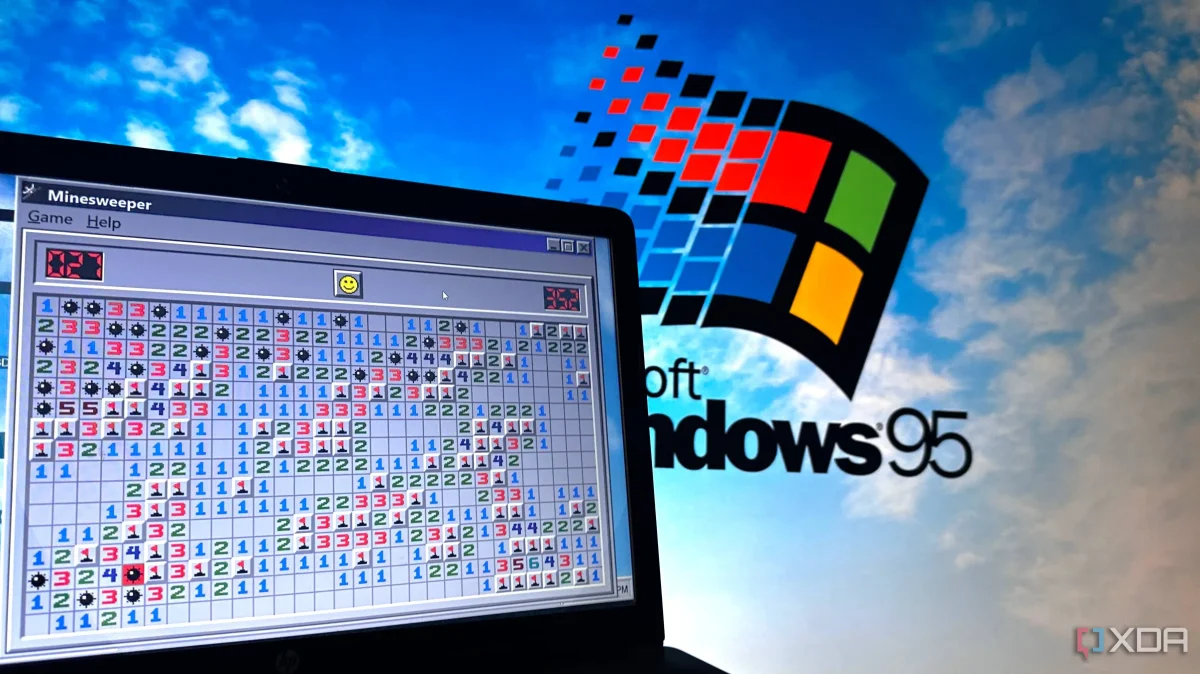

The early versions of Windows provided users with a unique experience, where being "online" was not a necessity. In this environment, applications like Microsoft Solitaire and Windows Sound Recorder became integral parts of daily life, allowing people to engage in activities without the distraction of constant internet access.
Solitaire, introduced with Windows 3.0, transformed how users interacted with computers. It served not only as a game but as a tool that helped many learn mouse skills and card game mechanics. The simple mechanics of dragging and dropping cards made it a staple during breaks and idle moments. The game’s emotional undertones, from the satisfaction of winning to the frustration of losing, contributed to its enduring appeal.
Meanwhile, Sound Recorder offered a creative outlet for users, allowing them to record sounds and experiment with audio. These applications exemplified a time when computing was more about personal enjoyment and exploration rather than a constant online engagement.