
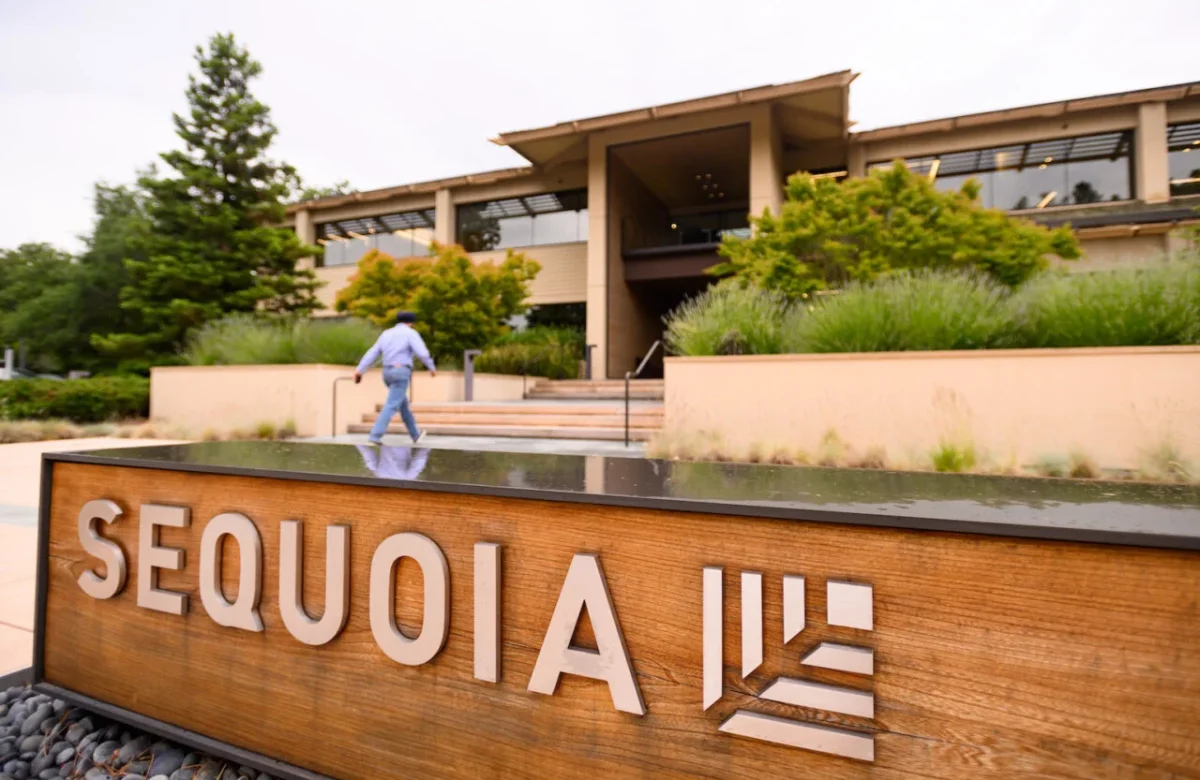

Recent reports reveal a trend in Silicon Valley where the valuations of AI startups are being set through unconventional investment practices. This has led to discrepancies in company worth, as seen in the case of Serval, which was initially valued at $400 million after a deal with Sequoia Capital last year, only to see its valuation soar to over $1 billion shortly after due to subsequent funding rounds. Such fluctuations raise questions about the credibility of these valuations.
The Wall Street Journal highlights that this method involves multiple investors entering a company at staggered times but at significantly varied prices. For instance, another startup, Aaru, achieved unicorn status through tiered investments, where half of the backers valued it at $450 million, while the others assessed it at $1 billion. This approach has reportedly occurred in around 20 deals over the last year.
Venture capitalist Chris Douvos of AHOY Capital commented that these practices tend to inflate valuations, creating an illusion of success and competitiveness among startups. As this trend continues, the implications for market dynamics and investor perceptions could be significant.