
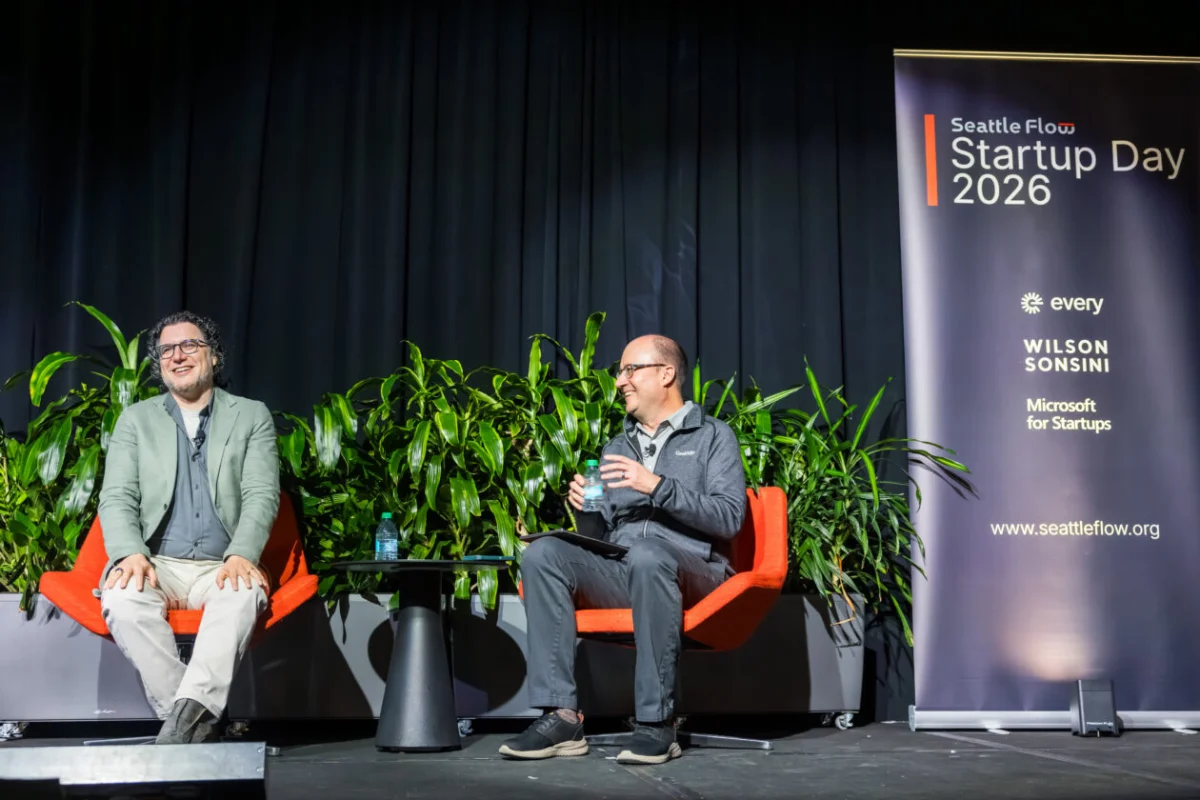

Eric Ries, author of “Incorruptible: Why Good Companies Go Bad and How Great Companies Stay Great,” argues for a radical redefinition of profit, emphasizing the importance of human flourishing over traditional profit metrics. Speaking at the Seattle Flow Startup Day, he challenged the prevailing notion of profit as a measure of success, suggesting that many accepted practices in the corporate world could be seen as corrupt.
Ries advocates for a shift towards “mission primacy,” which prioritizes a company’s core purpose over shareholder interests, a model he believes has been compromised since the 1980s due to investor pressures. He elaborated on this concept during a recent podcast discussion, touching on various contemporary issues, including the Musk v. OpenAI trial and the challenges faced by companies like Whole Foods after being acquired by private equity.
In the context of the trial, Ries noted the testimony of Microsoft CEO Satya Nadella, who affirmed his duty to shareholders, highlighting the tension between fiduciary obligations and corporate integrity. Ries asserts that such scenarios reflect a deeper structural decay within businesses, prompting a need for reevaluation of corporate governance.