
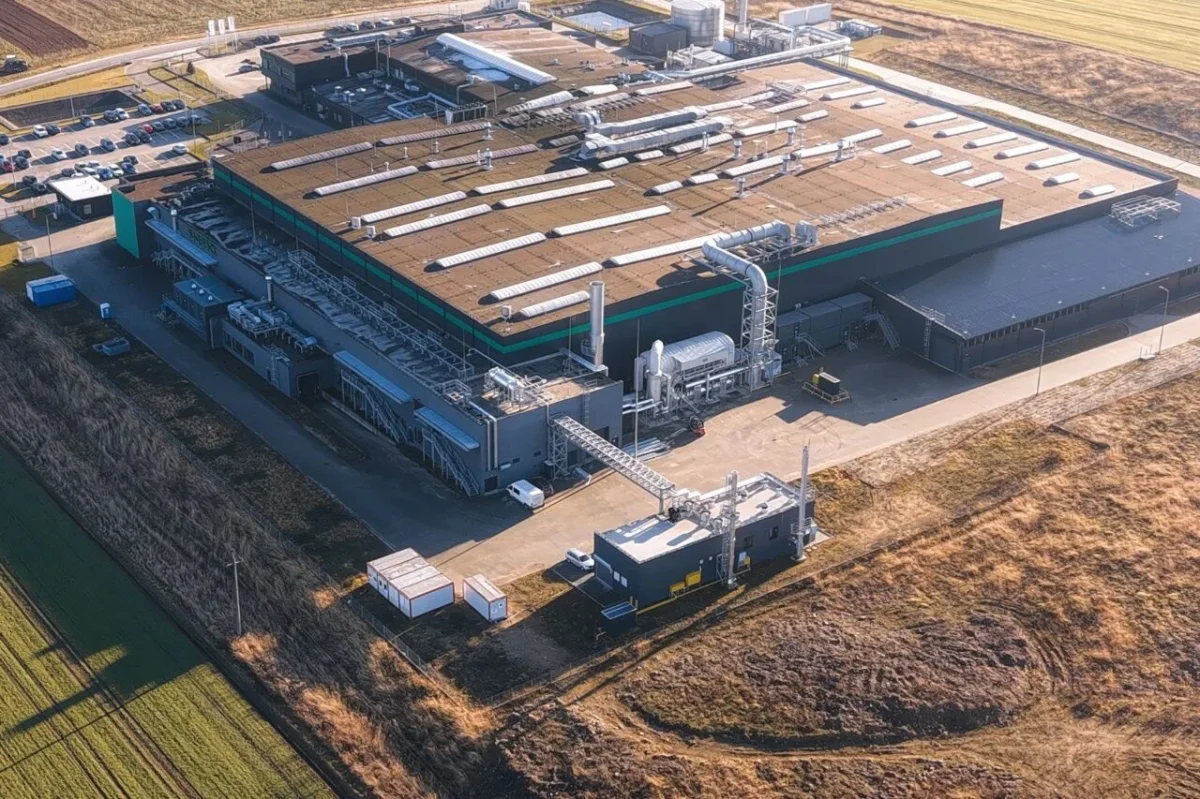

Rising water demand from US data centers poses risks to local resources by 2030

Rising water demand from US data centers poses risks to local resources by 2030

By 2030, U.S. data centers may need an additional 1.45 billion gallons of water daily, challenging local infrastructure and prompting tech firms to invest heavily in upgrades.

NeboAI I summarize the news with data, figures and context
IN 30 SECONDS

IN 1 SENTENCE

SENTIMENT
Neutral

𒀭
NeboAI is working, please wait...
Preparing detailed analysis
Quick summary completed
Extracting data, figures and quotes...
Identifying key players and context
DETAILED ANALYSIS
SHARE

NeboAI produces automated editions of journalistic texts in the form of summaries and analyses. Its experimental results are based on artificial intelligence. As an AI edition, texts may occasionally contain errors, omissions, incorrect data relationships and other unforeseen inaccuracies. We recommend verifying the content.

The demand for water by data centers is projected to escalate significantly, potentially reaching between 697 million and 1.45 billion gallons per day by 2030 in the U.S. This information comes from a study led by Shaolei Ren, an associate professor at the University of California, Riverside. The findings highlight a looming challenge, indicating that the water requirements of data centers may rival the daily supply of New York City.

Data centers, which operate continuously, face overheating issues due to dense server installations and require efficient cooling methods. Liquid cooling, while effective, is highly water-intensive, with some state-of-the-art facilities potentially using over 8 million gallons per day during peak demand. This peak usage poses a significant challenge for local public water systems, which are designed to meet maximum demand consistently.

In response to these challenges, tech companies are investing heavily in upgrading water infrastructure in partnership with local communities, often committing hundreds of millions of dollars to avoid straining public resources. Despite these efforts, most operators report only their overall annual water consumption, complicating the assessment of peak demand and its impact on local systems.

Want to read the full article? Access the original article with all the details.
Read Original Article
TL;DR

This article is an original summary for informational purposes. Image credits and full coverage at the original source. · View Content Policy

Editorial
Editorial Staff

Our editorial team works around the clock to bring you the latest tech news, trends, and insights from the industry. We cover everything from artificial intelligence breakthroughs to startup funding rounds, gadget launches, and cybersecurity threats. Our mission is to keep you informed with accurate, timely, and relevant technology coverage.

Press Enter to search or ESC to close