

Breakthrough Brazilian Rainforest Plant Shows Potential in COVID-19 Treatment Research

Breakthrough Brazilian Rainforest Plant Shows Potential in COVID-19 Treatment Research

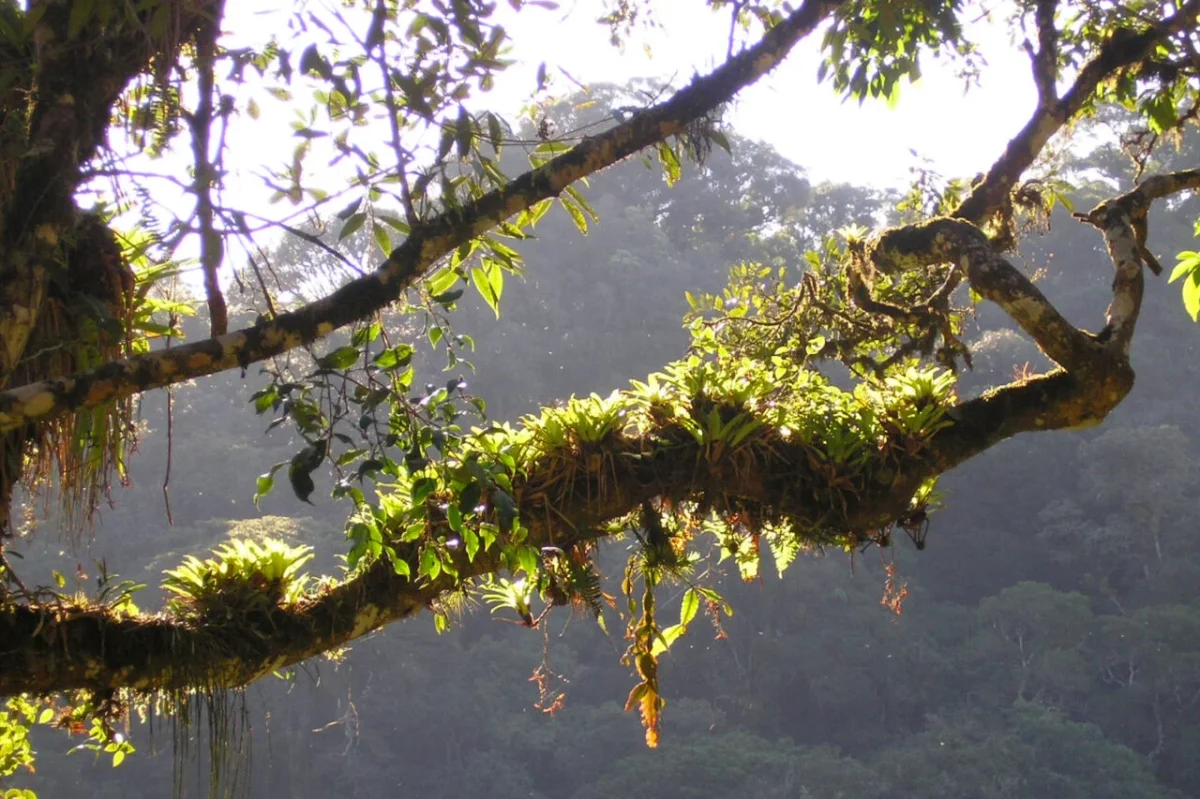
Brazil's Mata Atlantica rainforest houses Copaifera lucens, a plant whose extracts can neutralize covid-19 by targeting multiple viral proteins, potentially thwarting mutations.

NeboAI I summarize the news with data, figures and context
IN 30 SECONDS

IN 1 SENTENCE

SENTIMENT
Neutral

𒀭
NeboAI is working, please wait...
Preparing detailed analysis
Quick summary completed
Extracting data, figures and quotes...
Identifying key players and context
DETAILED ANALYSIS
SHARE

NeboAI produces automated editions of journalistic texts in the form of summaries and analyses. Its experimental results are based on artificial intelligence. As an AI edition, texts may occasionally contain errors, omissions, incorrect data relationships and other unforeseen inaccuracies. We recommend verifying the content.

Brazil is home to approximately 55,000 unique plant species, making it the world's leading “mega-biodiverse” nation as classified by the United Nations. While much of this biodiversity is linked to the Amazon rainforest, significant diversity also stems from the lesser-known Mata Atlantica along the eastern coast. An international research team has recently identified a chemical compound in the leaves of Copaifera lucens Dwyer, a tree indigenous to this region, that shows potential in combating covid-19.

This compound, known as galloylquinic acids, operates through a “multitarget mode of action,” which disrupts several viral proteins and enzymes associated with the virus. This multi-target mechanism may lower the chances of resistance developing against the treatment, according to pharmacist Jairo Kenupp Bastos, who led the study at the Ribeirão Preto School of Pharmaceutical Sciences at the University of São Paulo. Additionally, the galloylquinic acids exhibit antiviral and antifungal properties, including inhibition of HIV-1.

The researchers utilized ultraviolet spectroscopy to identify six subcategories of galloylquinic acid after analyzing dried and treated leaf samples of Copaifera lucens. One specific configuration, 3,4,5-tri-galloylquinic acid, demonstrated a strong binding affinity against the virus, further highlighting the plant's potential in medicinal applications.

Want to read the full article? Access the original article with all the details.
Read Original Article
TL;DR

This article is an original summary for informational purposes. Image credits and full coverage at the original source. · View Content Policy

Editorial
Editorial Staff

Our editorial team works around the clock to bring you the latest tech news, trends, and insights from the industry. We cover everything from artificial intelligence breakthroughs to startup funding rounds, gadget launches, and cybersecurity threats. Our mission is to keep you informed with accurate, timely, and relevant technology coverage.

Press Enter to search or ESC to close