
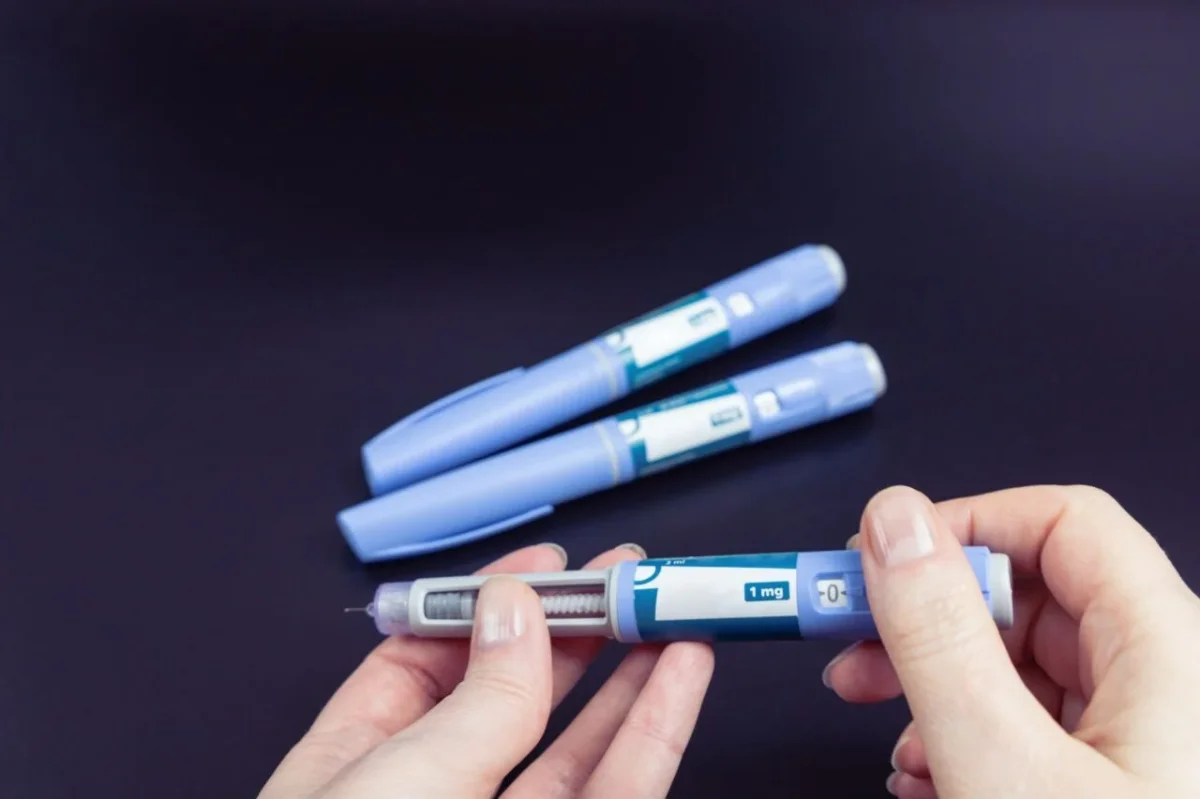

The estimated number of bariatric surgeries in the U.S. is projected to significantly decrease in 2024, following a period of growth. A study led by Tyler Cohn from Loyola University Medical Center indicates that the rise of GLP-1 drugs, such as Ozempic and Wegovy, is likely influencing this trend. While these medications have gained popularity for weight loss, there are concerns that individuals with severe obesity may be discouraged from pursuing surgical options that are proven to be effective.
Research highlights that people who undergo bariatric surgery can expect to lose between 25% and 35% of their baseline weight within the first year, a significant advantage over the average 15% weight loss associated with GLP-1 medications like Wegovy. Although newer GLP-1 options like tirzepatide offer slightly better results, they still fall short compared to surgical interventions.
Experts worry that the marketing surrounding GLP-1 drugs is overshadowing the long-standing evidence supporting metabolic and bariatric surgery as the most effective treatment for obesity. The ongoing popularity of these medications raises questions about their long-term sustainability and the potential impact on patient health.