
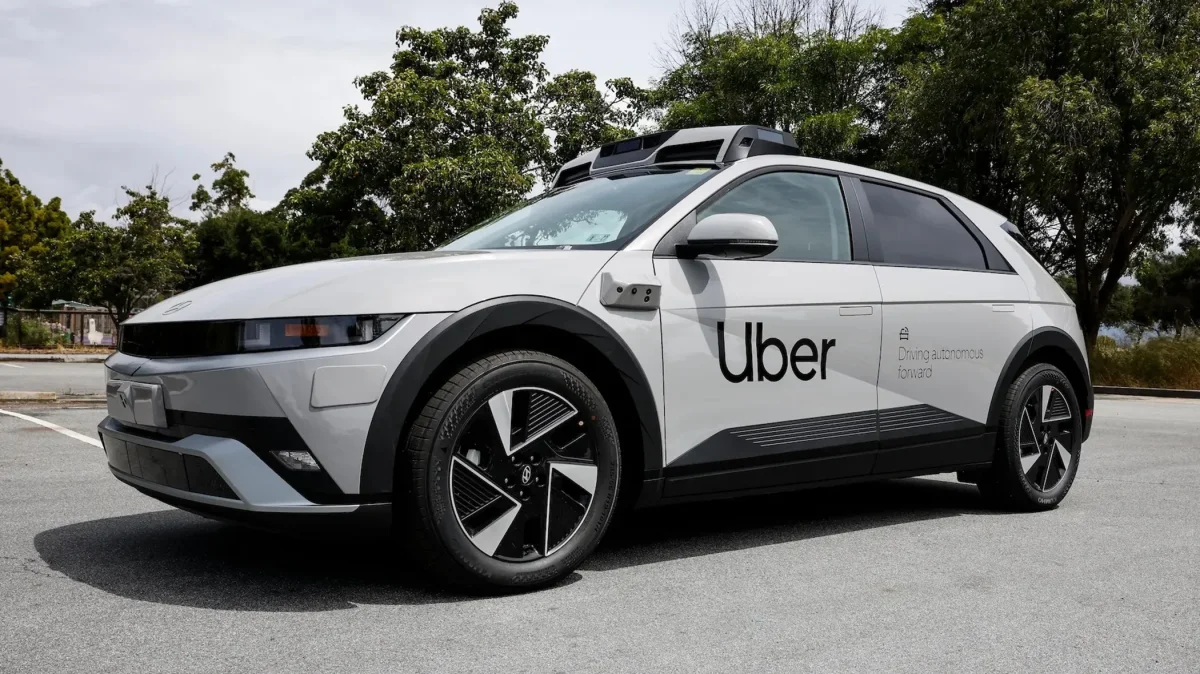

Uber is set to re-enter the self-driving data collection arena, unveiling a prototype of the Hyundai Ioniq 5 designed for this purpose. This model will incorporate advanced technology, including eight lidar sensors, nine radar sensors, and 14 cameras, developed in partnership with Roush Performance. The rideshare company aims to deploy 500 units globally this year, with the first 50 expected to be operational by summer.
The initiative aims to gather approximately two million miles of high-fidelity driving data monthly, which will assist partners like Waymo and WeRide in understanding autonomous vehicle behavior in real-world scenarios. Uber's previous venture into customized vehicles ended in 2020 after selling its autonomous driving unit, but this new strategy positions the company as a critical data source for robotaxi operators.
Uber's new AV Labs division, launched earlier this year, is part of this broader strategy to collect and share valuable driving information, potentially making Uber indispensable in the evolving landscape of self-driving technology. Through this approach, Uber can thrive even without deploying its own robotaxis, facilitating quicker advancements in the industry.