

Microsoft's Innovative Water Efficiency Targets Set New Standard for Data Centers

Microsoft's Innovative Water Efficiency Targets Set New Standard for Data Centers

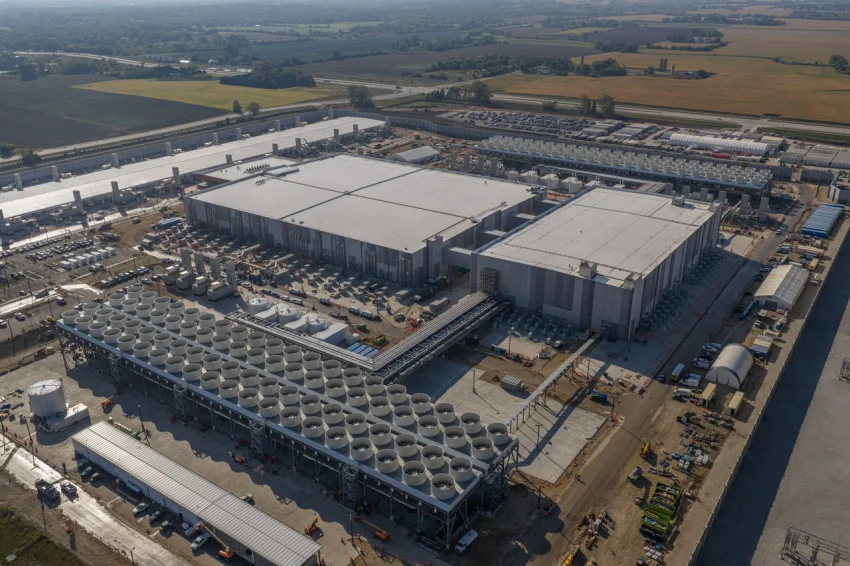
Microsoft's water consumption for data center cooling has plummeted by 90% over 20 years, now at 0.27 liters per kilowatt-hour, outpacing industry norms. This commitment to sustainability counters growing community concerns about water and energy use.

NeboAI I summarize the news with data, figures and context
IN 30 SECONDS

IN 1 SENTENCE

SENTIMENT
Neutral

𒀭
NeboAI is working, please wait...
Preparing detailed analysis
Quick summary completed
Extracting data, figures and quotes...
Identifying key players and context
DETAILED ANALYSIS
SHARE

NeboAI produces automated editions of journalistic texts in the form of summaries and analyses. Its experimental results are based on artificial intelligence. As an AI edition, texts may occasionally contain errors, omissions, incorrect data relationships and other unforeseen inaccuracies. We recommend verifying the content.

Microsoft has achieved a significant milestone by reducing water consumption in its data centers by 90% since the early 2000s. Last year, the company utilized 0.27 liters of water per kilowatt-hour, outperforming the industry average by nearly threefold. This achievement aligns with its goal to be water positive by 2030, meaning it replenishes more water than it uses globally.

In an ongoing effort to address growing concerns about water usage, Microsoft announced its Community-First AI Infrastructure initiative at the beginning of the year, which includes covering electricity costs and forgoing local tax breaks. The company recently endorsed the Ratepayer Protection Act, aimed at mitigating utility bill impacts from data centers, despite previously opposing related state legislation.

Judy Priest, CTO of Cloud Operations & Innovation, and Steve Solomon, vice president of Datacenter Engineering, reaffirmed Microsoft's commitment to water conservation in a blog post. They emphasized the importance of advancing innovations that lower water use intensity while meeting the demands of cloud and AI services.

Want to read the full article? Access the original article with all the details.
Read Original Article
TL;DR

This article is an original summary for informational purposes. Image credits and full coverage at the original source. · View Content Policy

Editorial
Editorial Staff

Our editorial team works around the clock to bring you the latest tech news, trends, and insights from the industry. We cover everything from artificial intelligence breakthroughs to startup funding rounds, gadget launches, and cybersecurity threats. Our mission is to keep you informed with accurate, timely, and relevant technology coverage.

Press Enter to search or ESC to close