
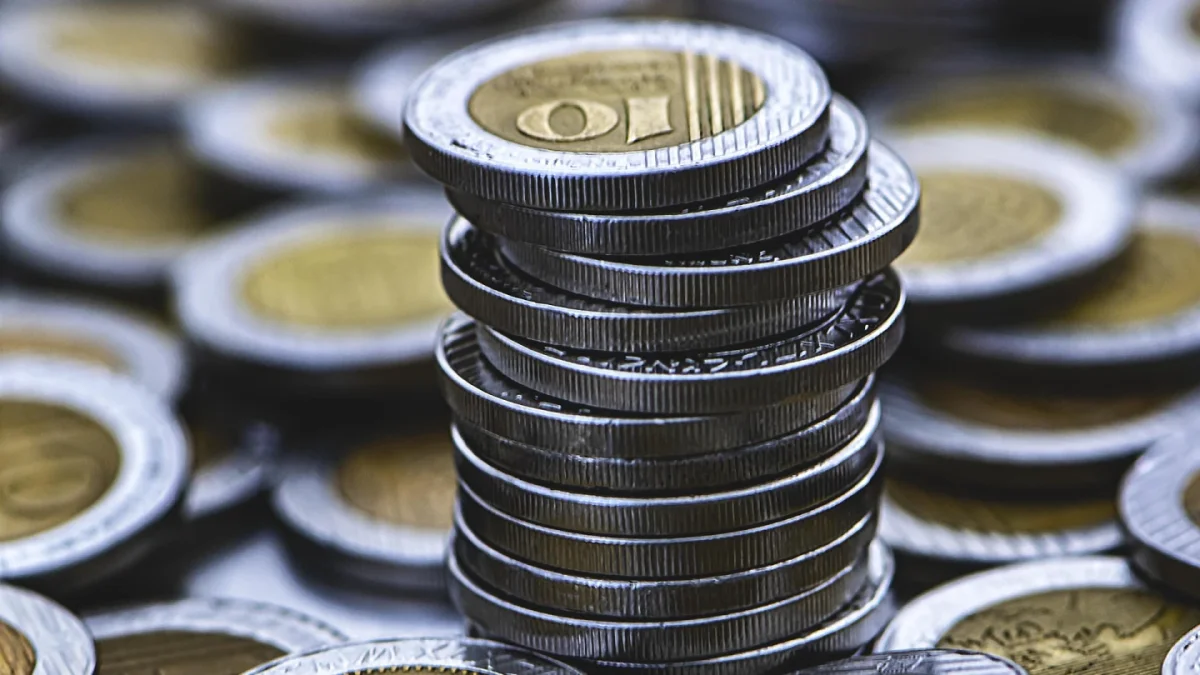

Last week, the Bank of Israel intervened in the currency market, purchasing approximately $800 million to address the depreciation of the dollar, which had fallen to a concerning level of 2.799 NIS. This move aimed to stabilize the economy, particularly impacting exporters and high-tech firms whose revenues are dollar-denominated while their expenses are in shekels.
By the end of the weekend, the dollar had rebounded to about 2.94 NIS, influenced by declines on Wall Street that led Israeli institutional investors to adjust their currency hedges. Ronen Menachem, chief economist at Mizrahi Tefahot Bank, remarked that the intervention was nearly balanced by government actions, indicating that the shekel could have appreciated further without this support.
Menachem characterized the Bank's action as a specific, non-recurring measure, in contrast to its previous interventions during the COVID pandemic, which totaled around $30 billion. Looking ahead, the upcoming interest rate decision on July 6 is expected to provide new economic forecasts and may indicate future monetary policy directions.
Furthermore, a report from the Israel Innovation Authority highlighted that the high-tech sector represented about half of Israel’s total goods and services exports in 2025, showcasing both its strength and the ongoing transition of operations abroad, raising concerns about a gradual “de-Israelization” of the sector.