
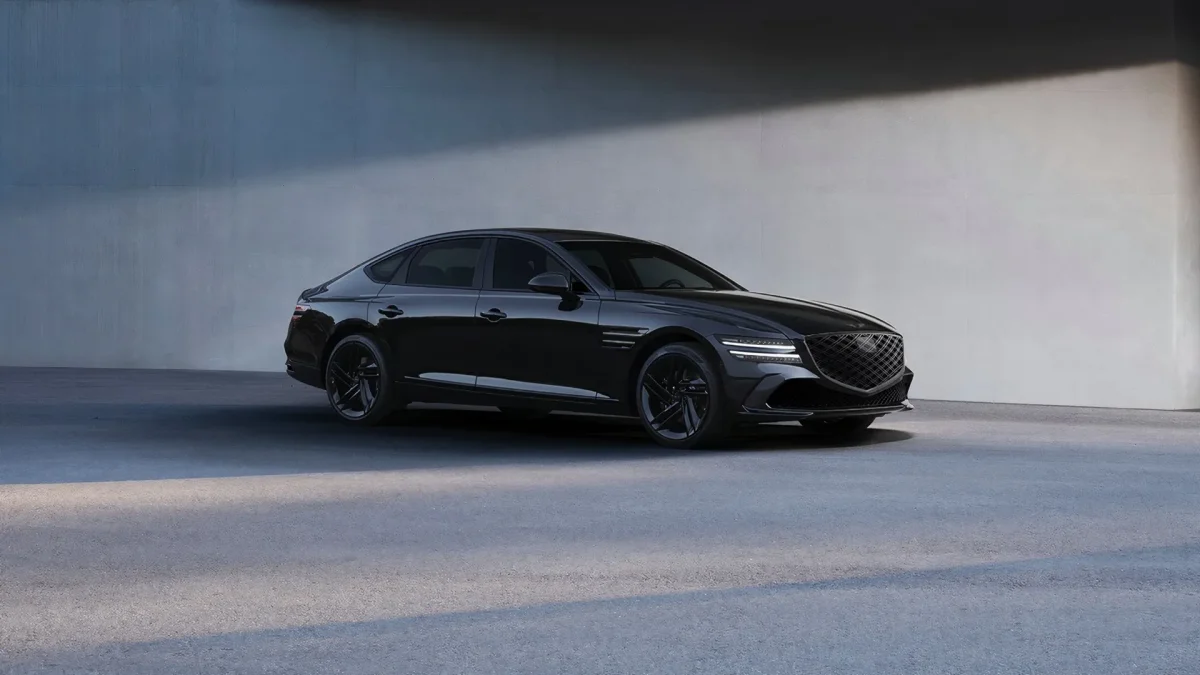

Luxury sedans have seen significant price increases, outpacing inflation from 2019 to 2024. For instance, the base model of the 2027 BMW 530i is priced at $60,500, while the 2026 Mercedes-Benz E 350 starts at $63,900. This trend highlights a rapid shift in the market, as the starting price for a 2019 Mercedes E-Class was only $53,500.
Despite their high costs, the tangible benefits of these luxury vehicles do not seem to match the escalating prices. Enhanced competition from mainstream brands has led to improvements in features and quality across the automotive industry, diminishing the advantages traditionally held by luxury brands. As a result, many consumers are reconsidering their loyalty to established names like BMW and Mercedes.
Furthermore, while features such as panoramic roofs and advanced audio systems are often marketed as standard, many remain optional and add to the overall cost. Reliability and customer satisfaction ratings have not seen a corresponding improvement relative to price hikes, with luxury models like the latest 5 Series scoring lower than some mainstream competitors in recent J.D. Power evaluations.