

Projected profits for the global airline industry are set to decrease significantly, with estimates now at $23 billion for 2026, down from earlier forecasts of $41 billion. This decline is largely attributed to a severe jet fuel shortage caused by geopolitical tensions, particularly the conflict involving Iran, which has disrupted energy supplies through the Strait of Hormuz. The International Air Transport Association (IATA) has indicated that U.S. airlines alone spent $5.06 billion on jet fuel in March 2026, compared to $3.88 billion in March 2025.
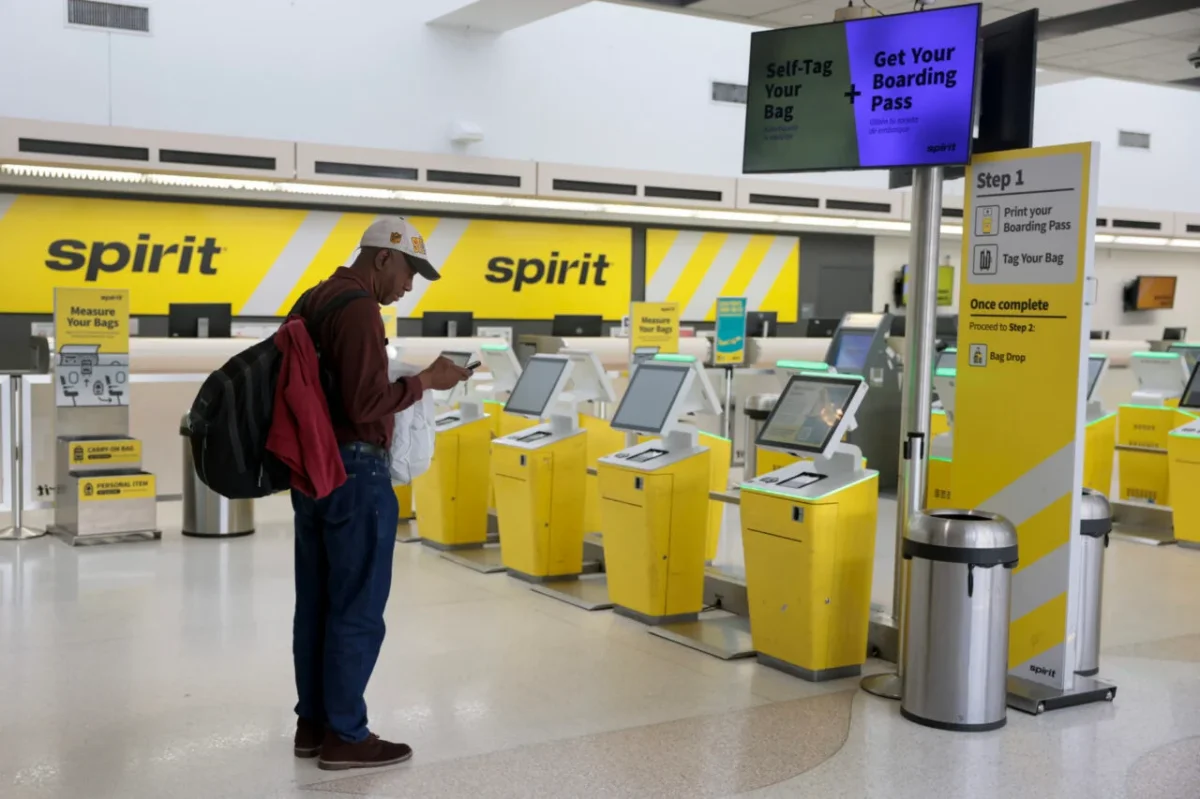
IATA director general Willie Walsh highlighted the challenges facing the industry, noting that the net profit per passenger is expected to fall to $4.50, significantly limiting airlines' financial buffer against rising costs. This economic strain could lead to the collapse of weaker airlines, with Walsh suggesting that some may be forced to merge with larger carriers. The recent shutdown of Spirit Airlines, after 34 years, exemplifies the harsh impact of soaring fuel prices.
Furthermore, analysts warn that budget airlines like Ryanair could face bankruptcy in the winter months if fuel prices remain high. Walsh's comments reflect a growing concern that the current situation may lead to a broader consolidation within the airline sector, affecting both companies and travelers alike.