
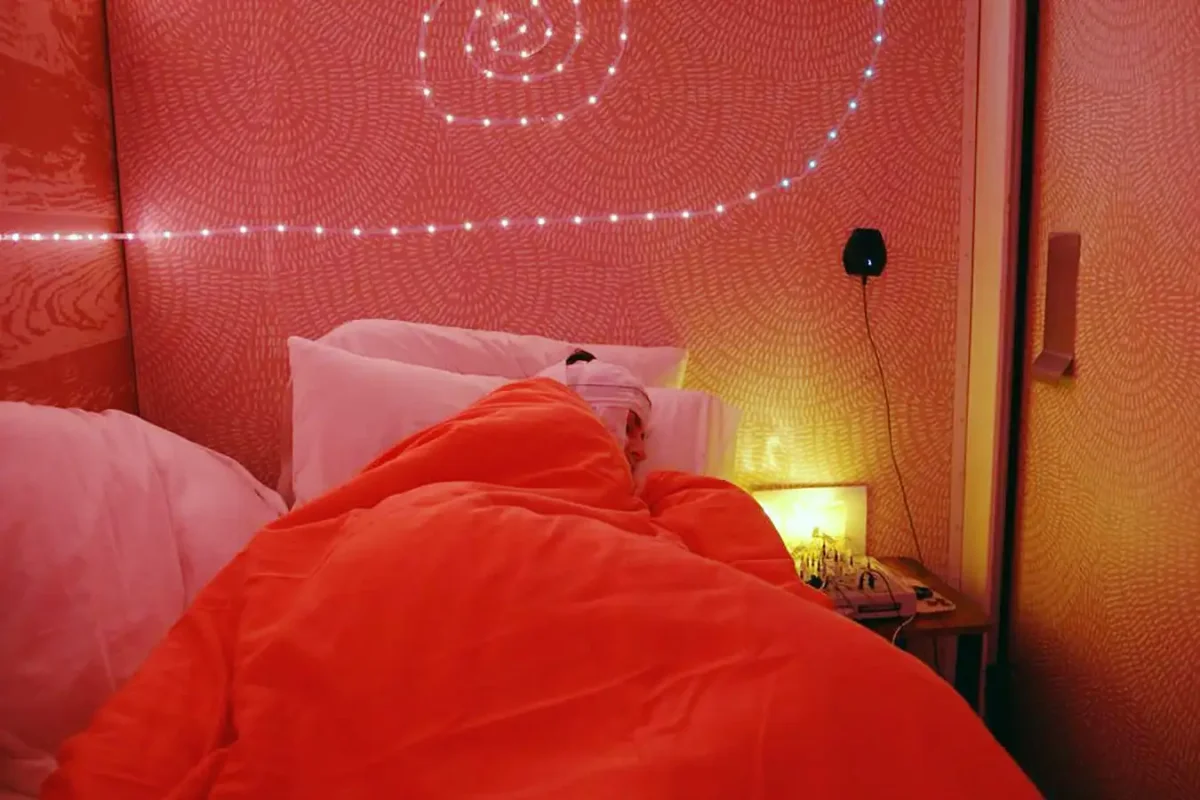

Neuroscientists at Northwestern University have discovered that sound stimuli can significantly enhance problem-solving abilities during sleep. In a study involving 20 lucid dreamers, participants engaged in puzzle-solving tasks while awake, each paired with a specific soundtrack.
Upon entering the rapid eye movement (REM) stage of sleep, the researchers played the soundtracks of puzzles that participants had previously struggled to solve. The results were notable: around 40 percent of those who dreamt about the puzzles subsequently managed to solve them, compared to just 17 percent among those who did not experience the puzzles in their dreams.
This phenomenon, referred to as targeted memory reactivation, suggests that pairing sounds with learning activities may trigger memory recall during sleep, particularly through the hippocampus. The implications of this research could extend to various applications, including enhancing creativity and supporting therapeutic interventions.