
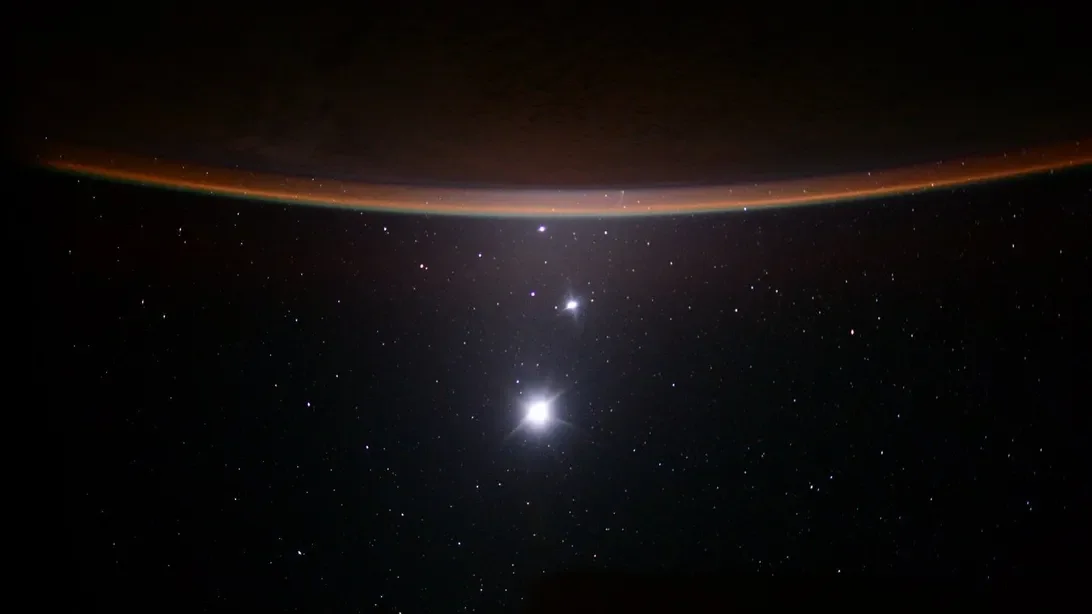

This week, sky-watchers will have a prime opportunity to observe Jupiter at its closest approach to Earth in 2026, occurring on the night of January 9. The planet will be particularly bright and easily visible in the night sky, standing out as the most luminous object after the sun and moon. Jupiter's opposition, which happens roughly every 13 months, allows Earth to position itself directly between the sun and the gas giant.
The best time to view this event will be around 3:34 a.m. ET, when Jupiter reaches its peak visibility. During this period, the planet will rise in the east at sunset and traverse the southern sky before setting in the west at sunrise. This trajectory will repeat for several weeks, enabling multiple viewing opportunities.
Observers are encouraged to use telescopes or binoculars for enhanced views, although the planet will be clearly seen with the naked eye, resembling a bright star. For optimal viewing, escaping city lights can improve the experience, making the event accessible to both urban and rural enthusiasts.