
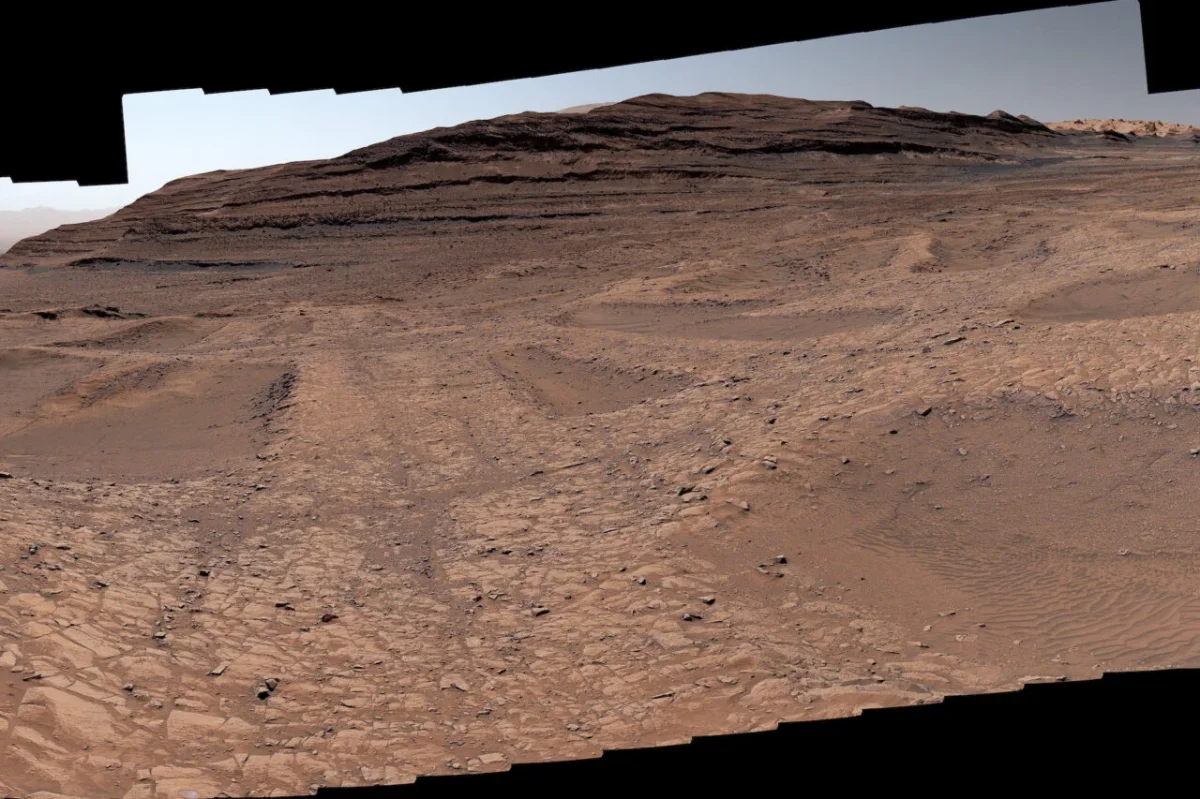

The discovery of geological patterns resembling giant spiderwebs on Mars provides new insights into the planet's ancient water history. NASA's Curiosity rover has been analyzing a region filled with boxwork formations, which are ridges formed by groundwater depositing minerals that later hardened. These formations, located along Curiosity's path up Mount Sharp, range from approximately 3 to 6 feet tall and indicate that water may have flowed in this area longer than previously thought.
Over the last six months, Curiosity has meticulously navigated this unique terrain, which suggests that microbial life could have persisted on Mars for an extended period. The rover's recent findings reveal that as it ascends the 3-mile-tall mountain, it gathers vital data showing the historical presence of water, with evidence of drying conditions punctuated by intermittent wet periods.
According to mission scientist Tina Seeger from Rice University, the elevation of these formations implies a previously higher groundwater table, which could have supported life for a longer duration than earlier assessments suggested. The intricate geological features provide a clearer understanding of Mars's climatic evolution and its potential habitability in the past.