

Melting Glaciers May Alter Climate Dynamics, Raising New Environmental Concerns

Melting Glaciers May Alter Climate Dynamics, Raising New Environmental Concerns

Recent research reveals that Antarctic meltwater contributes only 10% of the dissolved iron in surrounding waters, challenging the theory that it can effectively combat climate change.

NeboAI I summarize the news with data, figures and context
IN 30 SECONDS

IN 1 SENTENCE

SENTIMENT
Neutral

𒀭
NeboAI is working, please wait...
Preparing detailed analysis
Quick summary completed
Extracting data, figures and quotes...
Identifying key players and context
DETAILED ANALYSIS
SHARE

NeboAI produces automated editions of journalistic texts in the form of summaries and analyses. Its experimental results are based on artificial intelligence. As an AI edition, texts may occasionally contain errors, omissions, incorrect data relationships and other unforeseen inaccuracies. We recommend verifying the content.

A new study challenges the longstanding theory that glacial meltwater can mitigate climate change by feeding algal blooms. Findings published in Nature Communications Earth & Environment indicate that meltwater from an Antarctic ice shelf releases significantly less iron into the ocean than previously believed. This research was led by principal investigator Rob Sherrell, a biogeochemistry professor at Rutgers University.

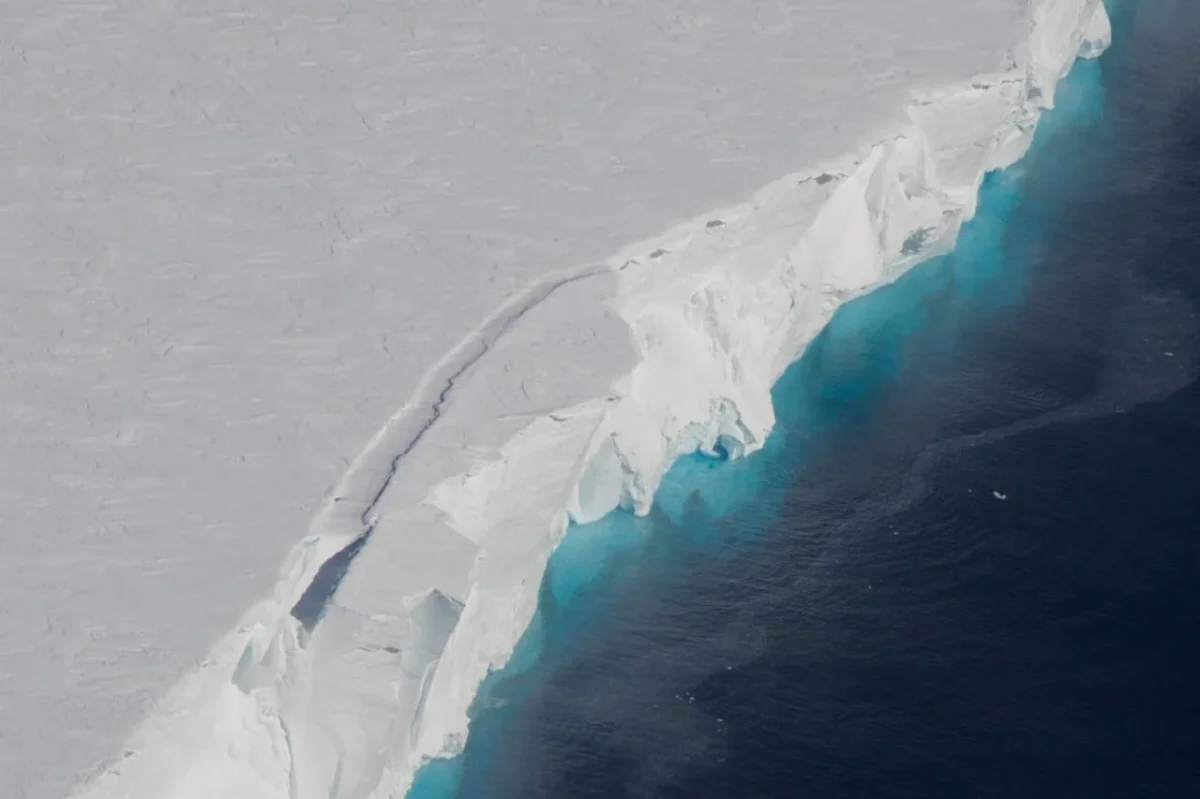
The study focused on the Amundsen Sea, which experiences the fastest ice shelf thinning in Antarctica and is a major contributor to rising sea levels. Researchers collected water samples at the Dotson Ice Shelf where seawater enters and exits cavities beneath the ice. Analysis revealed that only about 10% of the dissolved iron in the outflow originated from meltwater, while 62% came from deep ocean inflow and 28% from shelf sediments.

This real-world data contradicts earlier simulations that supported the iron fertilization hypothesis. Sherrell emphasized that the majority of iron in meltwater results from the erosion of bedrock beneath the ice, rather than from the ice itself, casting doubt on the potential of glacial melt to slow global warming.

Want to read the full article? Access the original article with all the details.
Read Original Article
TL;DR

This article is an original summary for informational purposes. Image credits and full coverage at the original source. · View Content Policy

Editorial
Editorial Staff

Our editorial team works around the clock to bring you the latest tech news, trends, and insights from the industry. We cover everything from artificial intelligence breakthroughs to startup funding rounds, gadget launches, and cybersecurity threats. Our mission is to keep you informed with accurate, timely, and relevant technology coverage.

Press Enter to search or ESC to close