
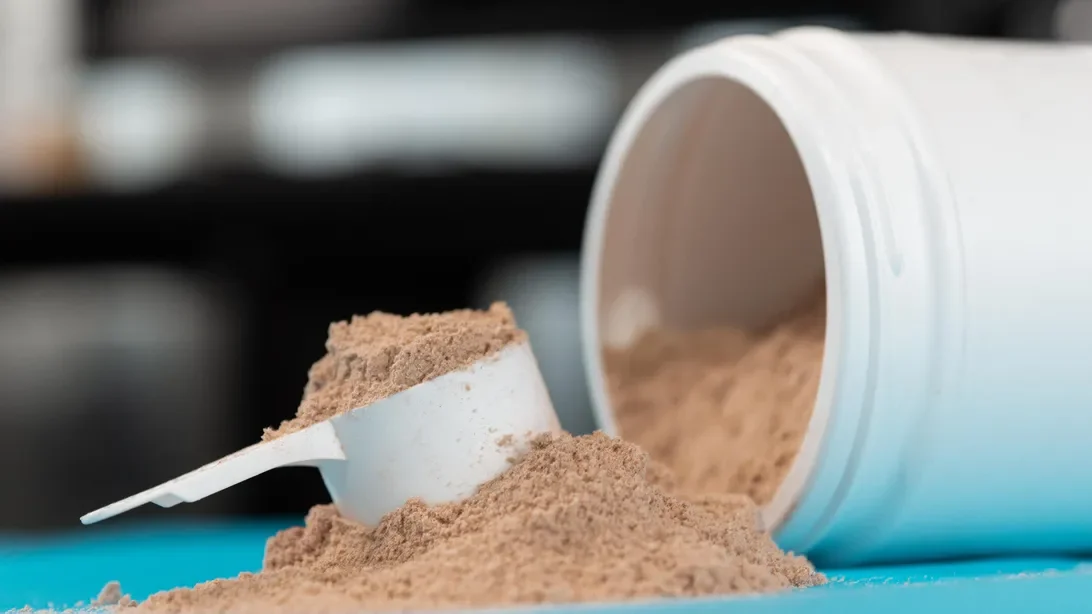

Concerns have emerged regarding the safety of protein powders as studies reveal troubling levels of toxic metals. A recent examination by Consumer Reports on 23 protein supplements found that over two-thirds contained unsafe levels of lead in a single serving, with some brands significantly exceeding daily limits. Additionally, a separate analysis conducted by the Clean Project Label from 2024 to 2025 assessed 160 protein powders, indicating that 7% surpassed California Proposition 65 limits for toxic substances.
Notably, the report highlighted that plant-based protein powders had three times the lead content compared to their whey-based counterparts. Furthermore, chocolate-flavored powders were found to contain four times more lead than vanilla options, while organic protein powders had higher levels of both lead and cadmium compared to non-organic varieties. Despite these findings, experts urge caution when interpreting the data.
Dietitian Kelly Jones expressed skepticism about the Clean Project Label's findings, noting the lack of peer review and disclosure of tested brands. Another dietitian, Clara Nosek, emphasized the absence of disclosed methodology, raising concerns about the reproducibility of the study's results. As consumers navigate these reports, understanding the context and safety of protein supplements remains crucial.