
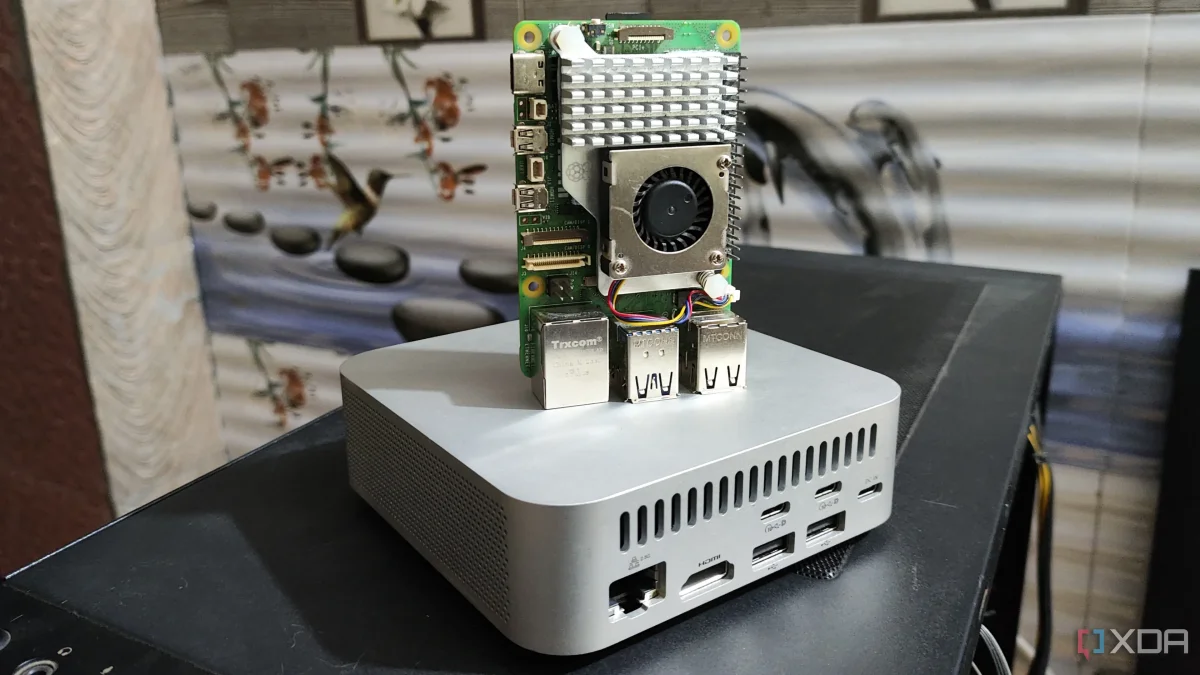

The evolving landscape of computing has put the Raspberry Pi at a disadvantage, affecting its status as a go-to option for hobbyists. Despite the introduction of more powerful models, the pricing for the top-tier Raspberry Pi has risen, making it less appealing compared to mini PCs. In 2026, this single-board computer struggles to compete with devices that offer multicore performance and can handle modern workloads more efficiently.
Assembling a Raspberry Pi system requires additional components such as a power supply, a case, and effective cooling solutions, which adds to the overall cost. The initial affordability that attracted many users has diminished, as building a Raspberry Pi machine now incurs hidden expenses. In contrast, mini PCs often come with essential components included, making them a more economical option.
For approximately $100, an Intel N100 mini PC provides performance that challenges the Raspberry Pi, appealing to users seeking efficient solutions for tasks like running multiple containers or media servers. This shift in the market reflects changing norms in budget hardware, prompting many to reconsider the Raspberry Pi for various projects.