

Apple's recent hardware updates, particularly the iPad Pro and iPhone 17 Pro, have focused on enhancing thermal management, significantly addressing overheating issues. Notably, the iPad Pro now boasts a 20% improvement in thermal performance due to innovative cooling solutions, including the integration of graphite sheets and copper within its design. Meanwhile, the iPhone 17 Pro has undergone substantial redesigns, featuring a vapor chamber and aluminum unibody to combat rising temperatures.
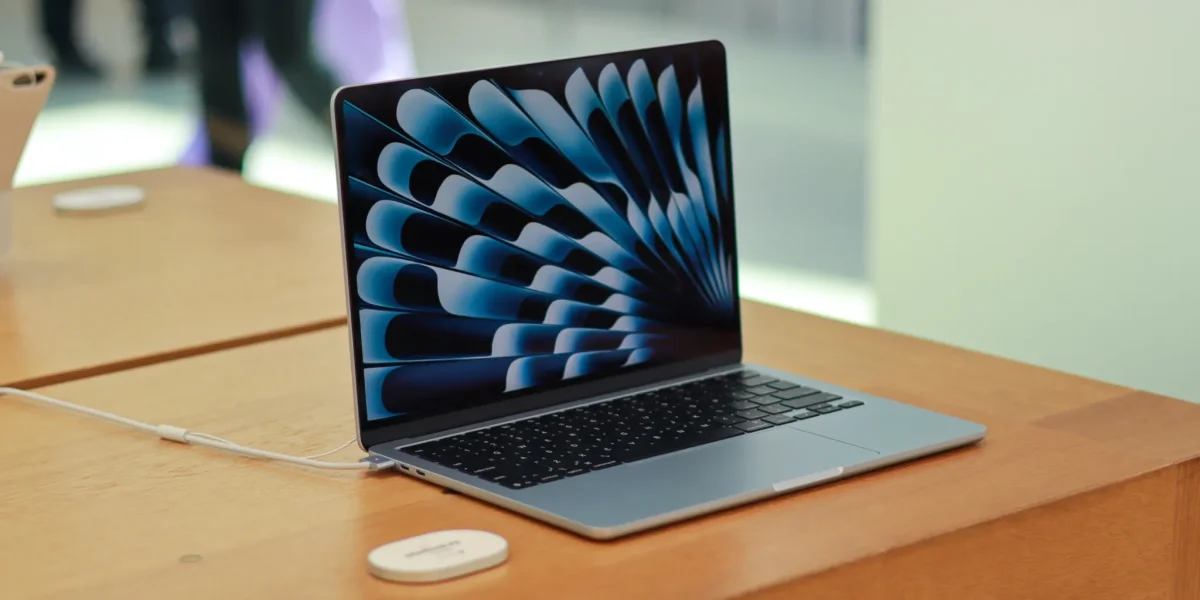
However, the MacBook Air has not benefited from similar thermal advancements, which raises concerns given its reliance on powerful Apple Silicon. The 2022 redesign of the MacBook Air, which favored a thinner profile, utilized a graphite sheet instead of a larger heatsink, potentially leading to quicker thermal throttling under demanding workloads. As Apple prepares for the anticipated launch of the M5 MacBook Air, there remains uncertainty regarding its thermal capabilities.
While Apple has successfully improved cooling solutions in other products, the MacBook Air seems overlooked in this area. Users may not require sustained high performance, but the disparity raises questions about the device's readiness for future chips like the M5 if thermal management does not improve.