
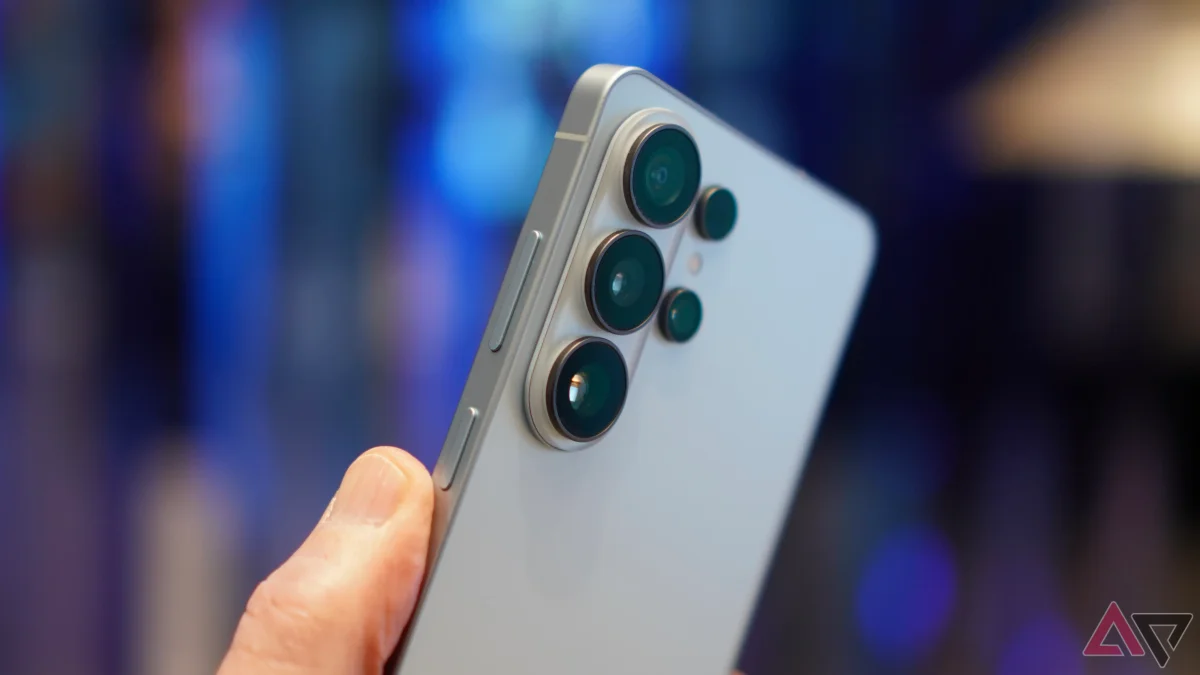

The launch of the Galaxy S26 series has sparked concerns over the high pricing of storage options. The Galaxy S26 Ultra begins at $1,300 for the base model with 256GB of storage, while upgrading to 512GB will cost buyers $1,500 and a hefty $1,800 for the 1TB variant. This pricing strategy highlights a broader trend in the smartphone industry, where premium devices increasingly lack expandable storage options like the microSD card slot.
Samsung is not the sole company facing scrutiny for its storage pricing; competitors like Google and Apple are similarly positioned. The Pixel 10 Pro XL has a base price of $1,200 for 256GB, with the 512GB model priced at $1,319 and the 1TB version at $1,550. Likewise, Apple's iPhone 17 Pro Max starts at $1,200, but a 2TB configuration costs an astonishing $2,000.
This lack of affordable storage solutions forces consumers to make tough decisions regarding their purchases, especially given the long-term usage expectations for devices that promise up to seven years of software support. With both budget and flagship models, the absence of microSD slots has become a significant factor in consumer dissatisfaction.