

By April 2004, the iPod had achieved remarkable success, surpassing Mac sales and growing over 900% year-on-year, prompting Apple executives to consider the future of their flagship product. Concern grew as competitors like Motorola and Samsung began releasing cellphones with integrated MP3 players, leading to speculation about the iPod's longevity.
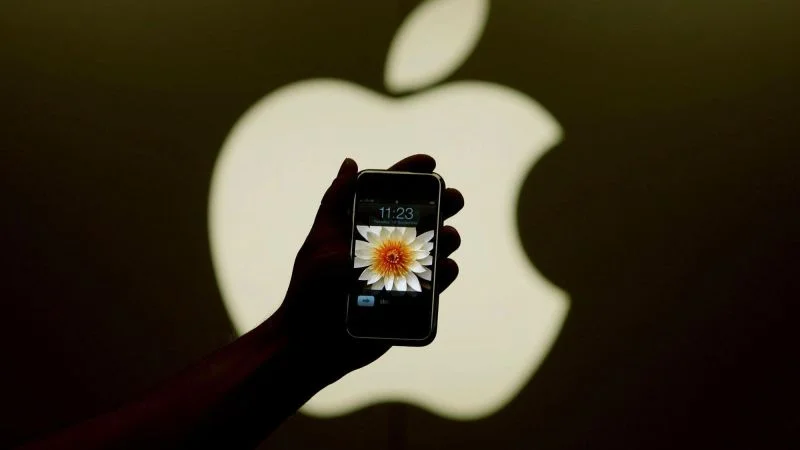
In response, Apple embarked on a transformative project to develop the iPhone, a complex device that required innovative engineering solutions. This marked a significant challenge for Apple, as it was their first product that necessitated the integration of various components in unprecedented ways. According to Tony Fadell, a key figure in the iPod's creation, the development process involved extensive collaboration among hundreds of engineers, addressing intricate details such as the touch screen technology, which was refined to replace physical buttons.
The team faced hurdles when early prototypes resembled iPods that could make calls, featuring the familiar click wheel, which ultimately proved inadequate for texting and dialing. As Rubén Caballero, a former Apple engineering vice president, noted, the project demanded significant sacrifices, including long hours and even sleeping at the office. The groundbreaking effort culminated in a device that would redefine mobile technology and consumer interaction.