

T-Mobile's ABS Challenge System Revolutionizes Game Integrity for MLB Fans

T-Mobile's ABS Challenge System Revolutionizes Game Integrity for MLB Fans

The new Automatic Ball-Strike technology, tested over 7,000 games, is now used in all 29 MLB stadiums, enhancing call accuracy and fan engagement. Discover its impact.

NeboAI I summarize the news with data, figures and context
IN 30 SECONDS

IN 1 SENTENCE

SENTIMENT
Neutral

𒀭
NeboAI is working, please wait...
Preparing detailed analysis
Quick summary completed
Extracting data, figures and quotes...
Identifying key players and context
DETAILED ANALYSIS
SHARE

NeboAI produces automated editions of journalistic texts in the form of summaries and analyses. Its experimental results are based on artificial intelligence. As an AI edition, texts may occasionally contain errors, omissions, incorrect data relationships and other unforeseen inaccuracies. We recommend verifying the content.

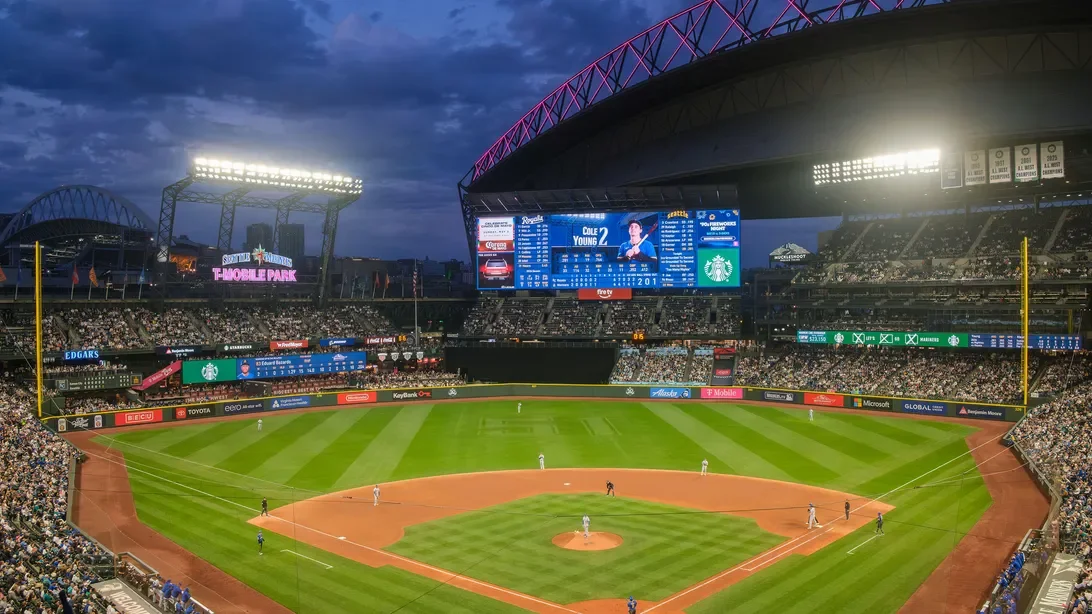
During a recent game on May 1, the introduction of the Automatic Ball-Strike (ABS) system led to a significant moment at T-Mobile Park in Seattle, as fans witnessed a fastball from Kansas City Royals pitcher Cole Ragans result in a call that was quickly reviewed. The pitch, aimed at the bottom-left corner of the strike zone and directed to Leo Rivas of the Seattle Mariners, was initially ruled a strike. However, Rivas activated the ABS challenge by tapping his helmet, prompting an instant review.

The challenge confirmed the umpire's call, revealing that the pitch did indeed clip the strike zone corner, which drew disappointment from the audience. This technology, developed through a partnership between Major League Baseball and T-Mobile, has been implemented in all 29 MLB stadiums across the United States following extensive testing in over 7,000 minor league games. Notably, the Toronto Blue Jays' stadium remains without ABS due to T-Mobile's licensing restrictions in Canada.

John Stanton, the Mariners' owner, noted that the ABS system was designed to enhance the viewing experience, addressing discrepancies between live and televised games where viewers could clearly see pitch accuracy, thus preserving the integrity of umpire calls. The system utilizes 12 Hawk-Eye cameras around the park to track pitch details, communicating via a private T-Mobile 5G network.

Want to read the full article? Access the original article with all the details.
Read Original Article
TL;DR

This article is an original summary for informational purposes. Image credits and full coverage at the original source. · View Content Policy

Editorial
Editorial Staff

Our editorial team works around the clock to bring you the latest tech news, trends, and insights from the industry. We cover everything from artificial intelligence breakthroughs to startup funding rounds, gadget launches, and cybersecurity threats. Our mission is to keep you informed with accurate, timely, and relevant technology coverage.

Press Enter to search or ESC to close