
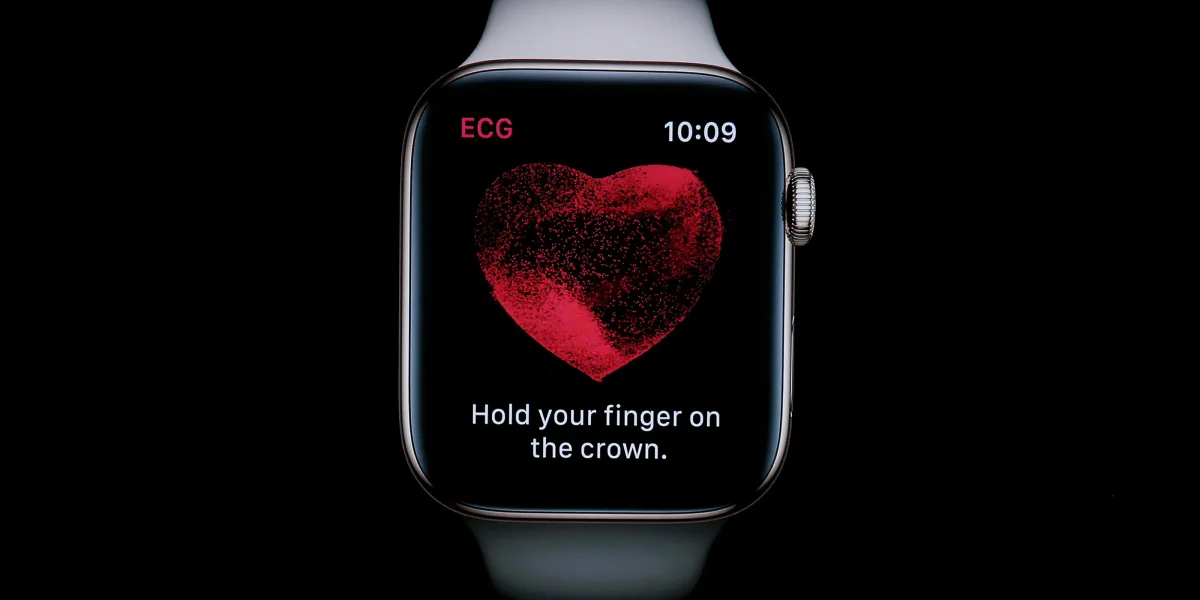

Apple Watch's AFib detection proves crucial for early intervention in heart health

Apple Watch's AFib detection proves crucial for early intervention in heart health

In a study of 437 seniors at stroke risk, 57% of Apple Watch users diagnosed with atrial fibrillation were asymptomatic, showcasing its potential to save lives.

NeboAI I summarize the news with data, figures and context
IN 30 SECONDS

IN 1 SENTENCE

SENTIMENT
Neutral

𒀭
NeboAI is working, please wait...
Preparing detailed analysis
Quick summary completed
Extracting data, figures and quotes...
Identifying key players and context
DETAILED ANALYSIS
SHARE

NeboAI produces automated editions of journalistic texts in the form of summaries and analyses. Its experimental results are based on artificial intelligence. As an AI edition, texts may occasionally contain errors, omissions, incorrect data relationships and other unforeseen inaccuracies. We recommend verifying the content.

A recent study conducted by Amsterdam UMC indicates that the Apple Watch could significantly enhance the detection of atrial fibrillation (AFib) among older adults. The six-month research involved 437 participants aged over 65, all at higher risk for strokes. Of these, 219 individuals utilized the smartwatch for approximately 12 hours daily, while the remaining 218 received conventional care.

Results showed that 21 participants from the smartwatch group were diagnosed with AFib, with 57% of those exhibiting no prior symptoms. In contrast, only 5 individuals from the standard-care group were diagnosed, all of whom had noticeable symptoms. This suggests that the continuous monitoring capabilities of the Apple Watch are crucial for identifying AFib in asymptomatic individuals.

According to cardiologist Michiel Winter, the integration of PPG and ECG functions in smartwatches can help healthcare professionals diagnose arrhythmias in patients who may otherwise remain unaware of their condition. The findings imply a potential decrease in stroke risk, which could ultimately lead to lower healthcare costs, potentially balancing the initial investment in the device.

Want to read the full article? Access the original article with all the details.
Read Original Article
TL;DR

This article is an original summary for informational purposes. Image credits and full coverage at the original source. · View Content Policy

Editorial
Editorial Staff

Our editorial team works around the clock to bring you the latest tech news, trends, and insights from the industry. We cover everything from artificial intelligence breakthroughs to startup funding rounds, gadget launches, and cybersecurity threats. Our mission is to keep you informed with accurate, timely, and relevant technology coverage.

Press Enter to search or ESC to close