
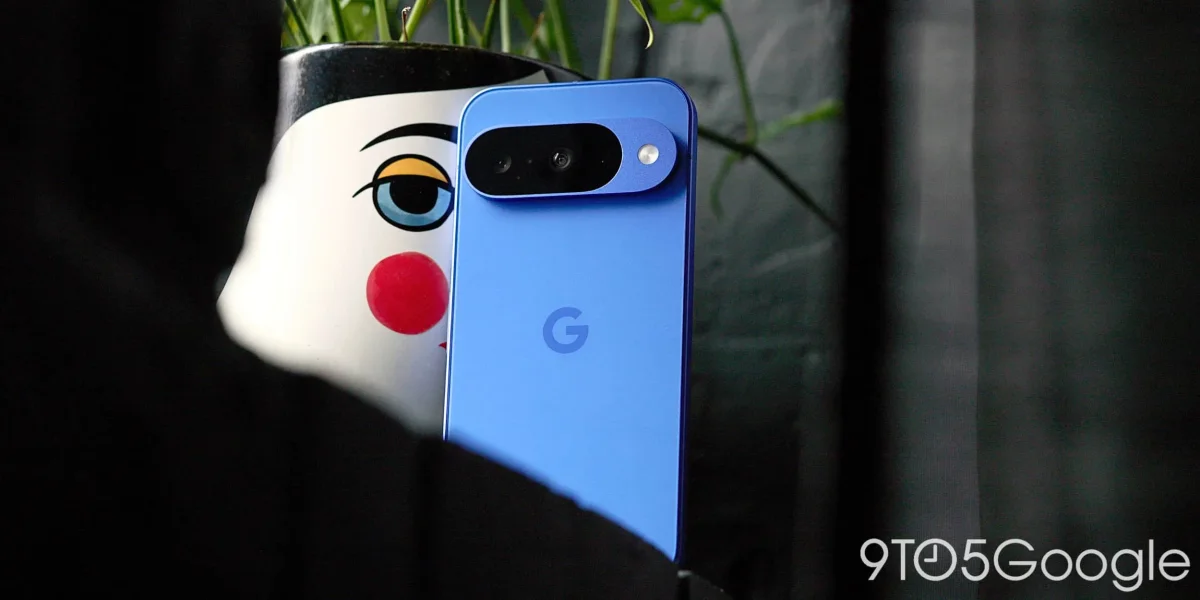

The smartphone industry is experiencing a notable stagnation in innovation, with many devices showing minimal changes from year to year. As manufacturers have reached a stage where most significant issues have been resolved, the differences between consecutive smartphone models have become less pronounced.
For instance, brands like Google and Samsung have established predictable release patterns. Google's Pixel line has adopted a “tick tock” upgrade model, offering substantial advancements every other year, while Samsung’s Galaxy S series has remained largely unchanged for multiple generations. This trend has resulted in a sense of monotony for both avid followers and casual consumers.
Despite continued investment in research and development, the law of diminishing returns is evident. Most smartphones today, whether premium models priced over $1,000 or budget-friendly options around $300, deliver satisfactory performance across essential features like display quality, battery longevity, and camera capabilities.
The industry’s maturation means that while there are improvements in nuance, the core functionalities meet the needs of the average user, leading to a growing perception that annual smartphone upgrades may no longer be necessary.