
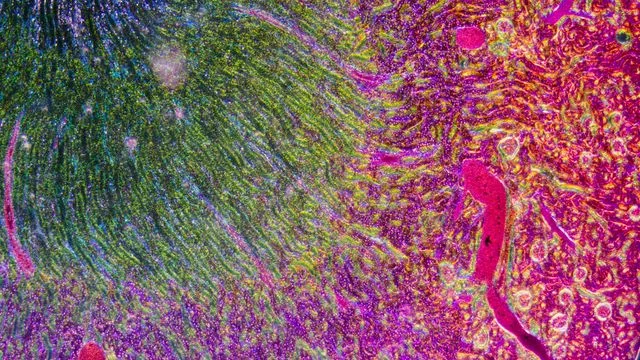

A significant challenge in the medical field is the shortage of pathologists, with nearly 20 million new cancer cases diagnosed each year globally. Addressing this issue, a research team from The Hong Kong University of Science and Technology (HKUST) has introduced an innovative artificial intelligence (AI) pathology analysis system designed to identify various cancer types efficiently. This system, named PRET (Pan-cancer Recognition without Example Training), enables accurate diagnostics using a minimal number of samples, requiring as few as one to eight annotated tumor slides.
Led by Prof. Li Xiaomeng, HKUST collaborated with Guangdong Provincial People’s Hospital and Harvard Medical School to develop this technology. By utilizing “in-context learning” from natural language processing, PRET can adapt to new cancer types without the extensive retraining typically needed by traditional AI models. This advancement not only enhances the overall efficiency of AI-assisted diagnostics but also addresses critical limitations in scalability, particularly in regions with fewer medical resources.
The introduction of PRET marks a significant step in the evolution of intelligent pathology, potentially transforming cancer diagnostics and treatment by streamlining pathological assessments in clinical settings.