
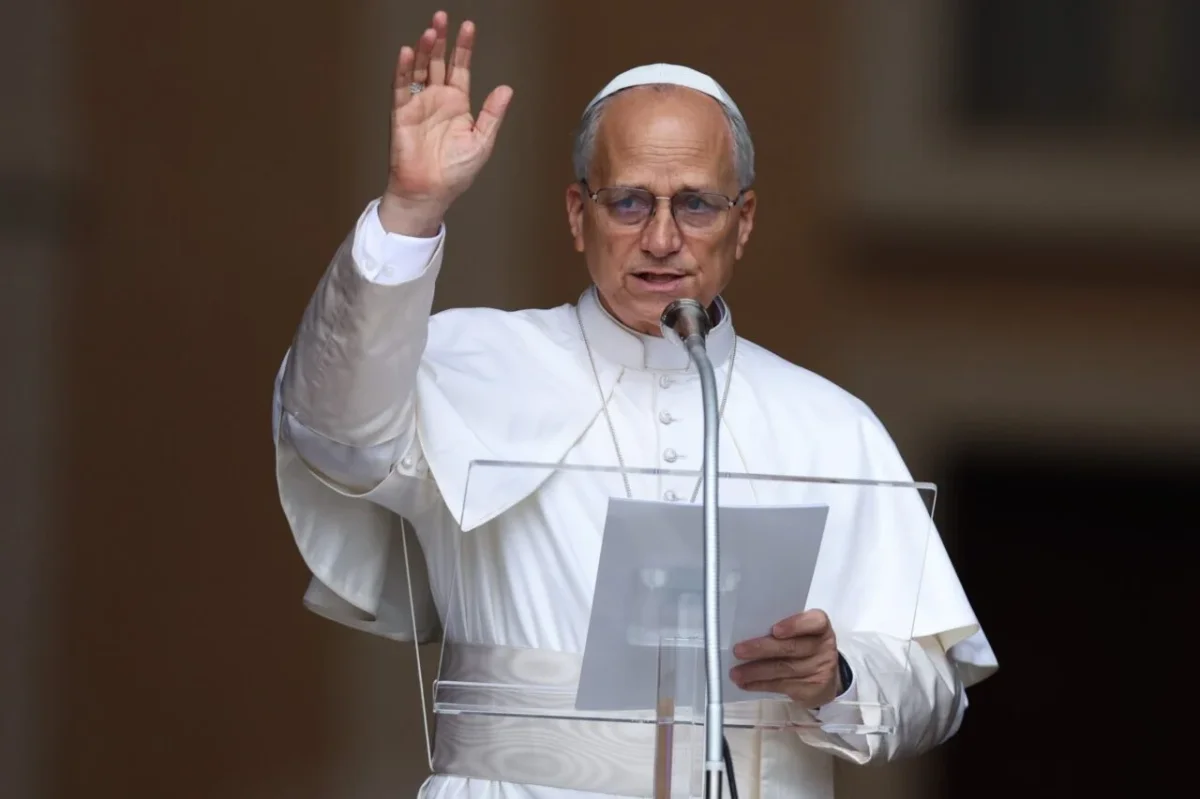

The recent encyclical by Pope Leo XIV may encourage employees to seek religious exemptions from using artificial intelligence in their workplaces. A software engineer from North Carolina, Erin Maus, has already received such an exemption from her progressive tech-entertainment employer. She requested this accommodation in April, citing ethical and environmental concerns related to AI usage, and was granted approval in May, prior to the pope's statements.
In the U.S., the adoption of AI in workplaces has surged, with employees reporting an increase in usage from 21% to 40% by 2025, according to Gallup. As companies push for greater incorporation of this technology, Maus's case may not be isolated. The pope's encyclical, titled Magnifica Humanitas and spanning 43,000 words, emphasizes the importance of maintaining human dignity in an age of AI, warning against the reduction of human identity to mere data.
Legal experts suggest that the pope's remarks could provide a solid foundation for workers to claim they should not be required to use AI due to their religious beliefs. Under the Civil Rights Act of 1964, employers must accommodate such requests when they are based on sincerely held beliefs, potentially leading to an increase in similar requests as AI becomes more prevalent in various industries.