
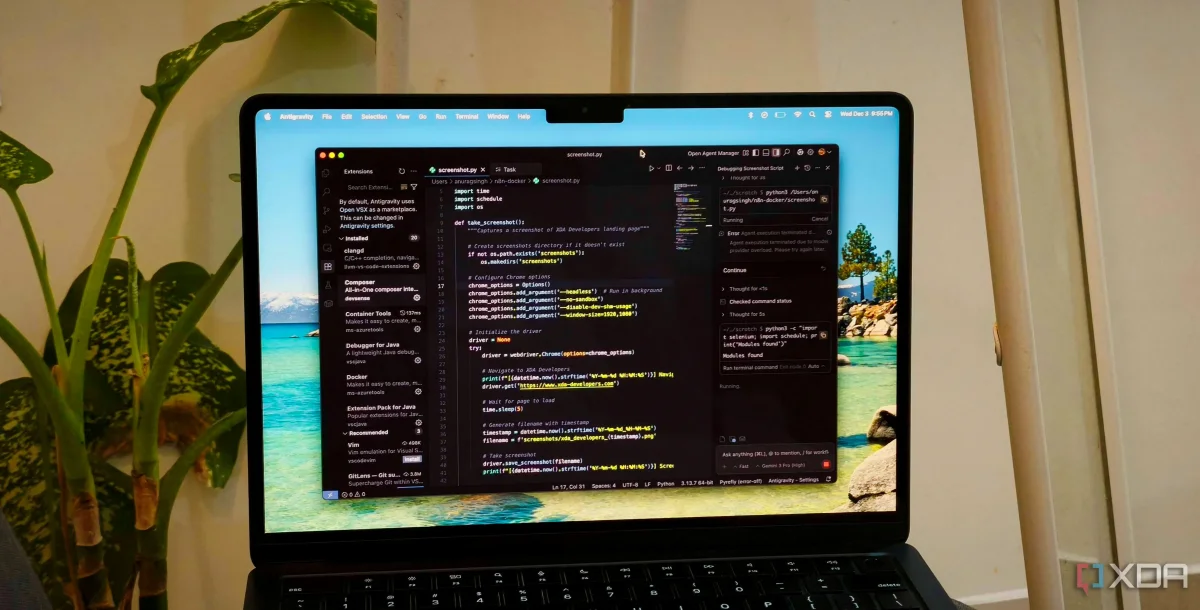

Google's new IDE, Antigravity, introduces a multi-agent execution model that allows for concurrent task planning and execution, significantly enhancing productivity in software development. This architecture enables discrete tasks to be assigned and completed simultaneously, unlike traditional editors such as VS Code and Cursor, where tasks are typically processed sequentially.
The shift in responsibility for correctness is notable; in Antigravity, tasks go through planning, execution, and verification stages, each producing outputs that can be reviewed. This contrasts with VS Code and Cursor, where the user must ensure correctness after generation. The new model increases traceability, allowing developers to assess intent before implementation.
While VS Code remains a stable choice for many, its lack of deep AI integration has led some users to explore alternatives like Antigravity. Cursor offers AI features, yet after testing Antigravity, some users have found it superior in delivering actionable results rather than merely enhancing autocomplete functionalities.