
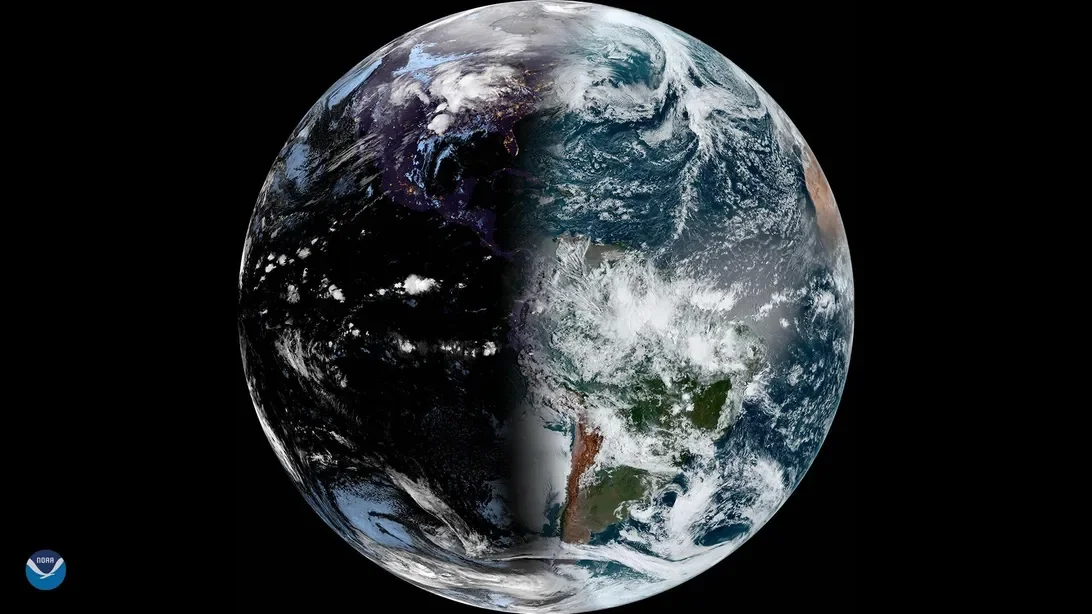

The arrival of spring in the Northern Hemisphere was marked by the vernal equinox on March 20 at 10:46 a.m. ET, signaling the end of winter. During this event, daylight and night are nearly equal, illustrating the Earth's tilt and its relation to the sun.
Equinoxes, although often overshadowed by solstices, represent a significant transition in seasonal change. The term "equinox" derives from Latin, meaning equal night, and occurs twice a year, with the next one being the autumnal equinox in the fall. As the Earth tilts at 23.5 degrees on its axis, it experiences varying amounts of sunlight, leading to the distinct seasons.
Emily Rice, an associate professor of astrophysics, explained that the vernal equinox signifies a shift from the Northern Hemisphere being oriented away from the sun to facing it, allowing for longer days ahead. In contrast, solstices mark the extremes of daylight, with the summer solstice expected on June 21, 2026.