

As families become more discerning about their vehicle choices, the demand for family SUVs that balance practicality with cost efficiency has surged. In 2026, buyers are prioritizing features that enhance daily usability over sheer size and power. This shift reflects a broader trend where fuel efficiency and running costs are crucial considerations, making traditional gas-only three-row SUVs less appealing.
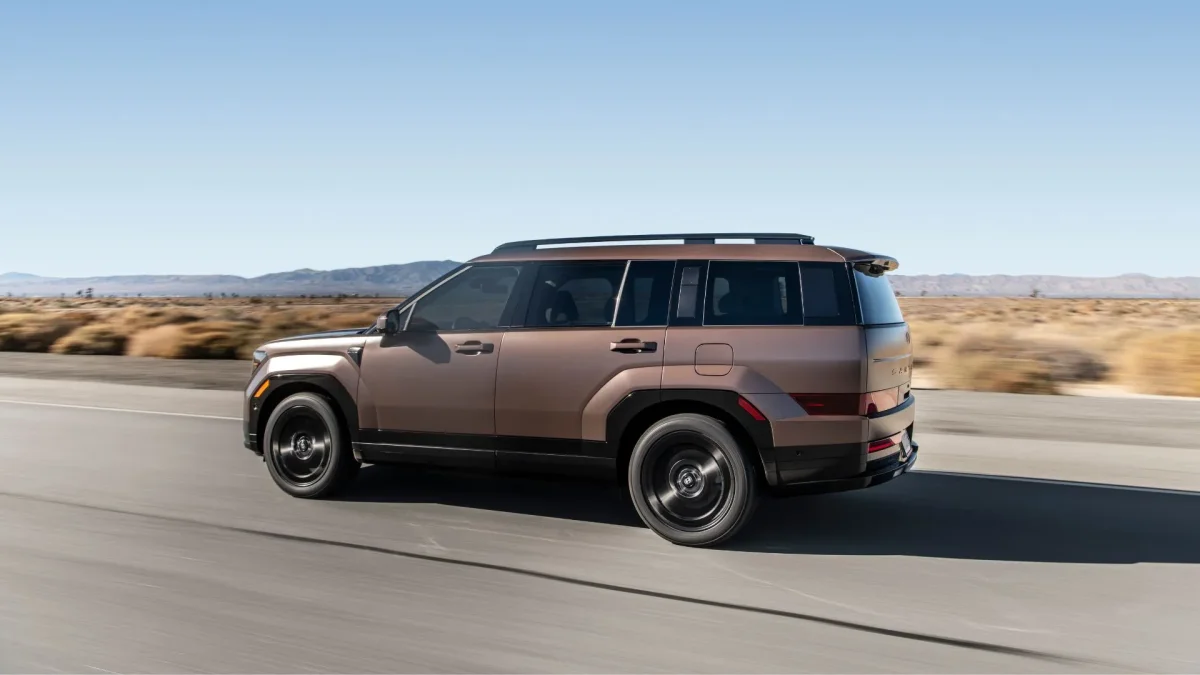
Hybrids are gaining traction, particularly models that provide three-row seating while achieving over 30 mpg. Unlike fully electric vehicles, these hybrids avoid the complexities of charging infrastructure and range anxiety, making them more user-friendly. The Hyundai Santa Fe Hybrid exemplifies this trend, offering a blend of space, affordability, and fuel efficiency that resonates with today’s families.
This evolving landscape indicates that the definition of a “smart” SUV is changing. Families are now focused on the total cost of ownership, considering factors such as maintenance and long-term value, alongside the initial purchase price. As the automotive market adapts to these new priorities, the emphasis on hybrids signifies a significant departure from the previous focus on engine size and horsepower.