
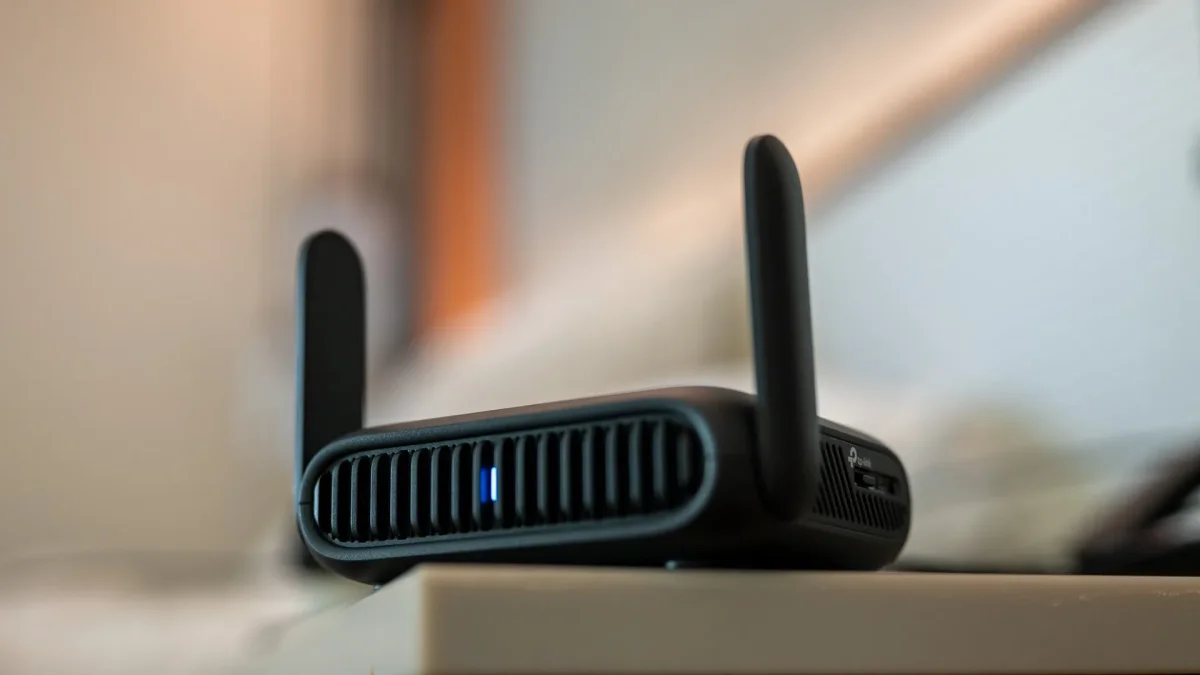

Connected devices in smart homes can quickly overwhelm a wireless router, leading to potential disruptions. Many users report that their routers, which are constantly active, can crash due to the high demand from multiple devices. This issue becomes significant as the number of smart home devices increases, potentially reaching hundreds. Users should consider limiting the devices that connect directly to Wi-Fi to maintain a stable network.
Common smart home gadgets include smart plugs, switches, and bulbs, each requiring a connection for operation. While routers advertise the capability to handle numerous devices, the reality may differ when several additional devices are added. When a router fails, it affects all connected devices, resulting in loss of internet for laptops, streaming services on smart TVs, and operation of home automation systems.
Alternatives to Wi-Fi, such as Zigbee and Z-Wave, provide more reliable connectivity for smart devices. These protocols allow devices to function independently of the router, ensuring that automations and control systems remain operational even during network outages. Additionally, non-Wi-Fi smart plugs can be utilized to reboot the router automatically if issues arise, enhancing overall network reliability.