
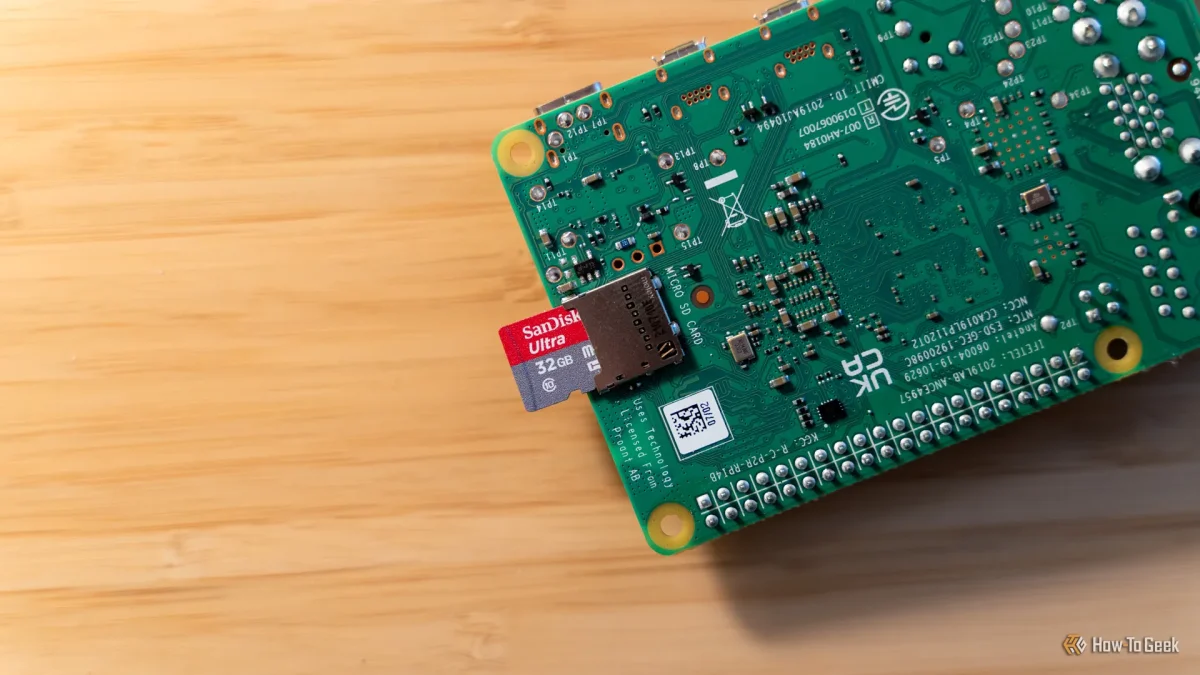

The versatility of the Raspberry Pi is highlighted by its unique boot options, which deviate from traditional hard drives or SSDs. Instead, users can utilize microSD cards or USB drives, with the exception of the Pi 5 that supports NVMe booting using a specific HAT.
MicroSD cards present both advantages and drawbacks; while they are easy to replace, their wear endurance can be a concern. For users seeking reliability, high-endurance models like the SanDisk MAX Endurance microSD card, priced at $25, offer durability and a three-year warranty.
For those interested in changing operating systems effortlessly, swapping out the microSD card is a straightforward solution. Options are widely available, including a 5-pack of 32GB microSD cards from Amazon for just $35, making it economically feasible to customize Raspberry Pi setups for various applications such as retro gaming or web serving.