
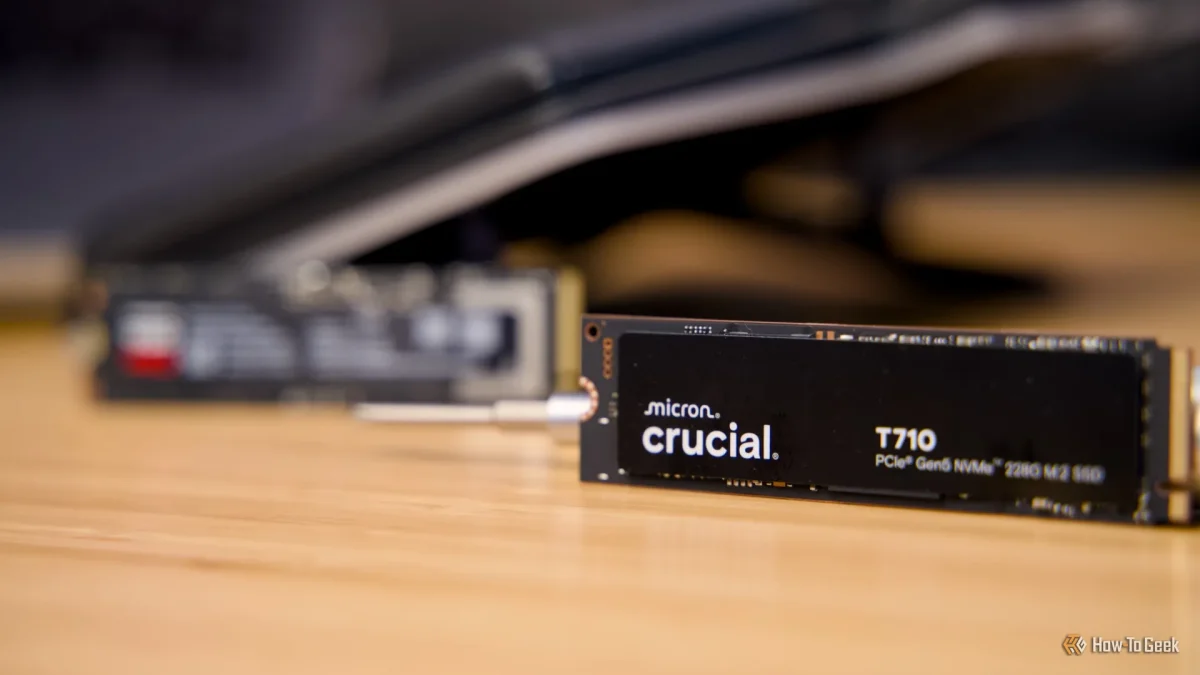

Most consumer-grade SSDs have a write limit commonly measured as Terabytes Written (TBW), indicating the total amount of data that can be written to the drive throughout its lifespan. For a standard SSD with a capacity of one terabyte, this limit typically ranges from 600 to 1,200 terabytes. Manufacturers provide this metric to inform users about the endurance of their products before they are likely to fail or the warranty expires.
Unlike traditional hard drives, SSDs utilize NAND chips that store data by trapping electrons. Each write or erase operation gradually degrades the insulating layer within the memory cells, eventually leading to failure. To address this issue, modern SSDs incorporate extra storage blocks, which help replace faulty cells through a process known as wear leveling.
Another relevant metric, particularly in enterprise settings, is Drive Writes Per Day (DWPD), which assesses how many times a drive's entire capacity can be overwritten daily over a standard warranty period of five years. However, reaching the TBW limit does not mean the drive will fail immediately; it simply indicates that the drive has reached its guaranteed endurance level.
Despite concerns about SSD longevity, most users are unlikely to exhaust their SSD's lifespan under typical usage conditions.