
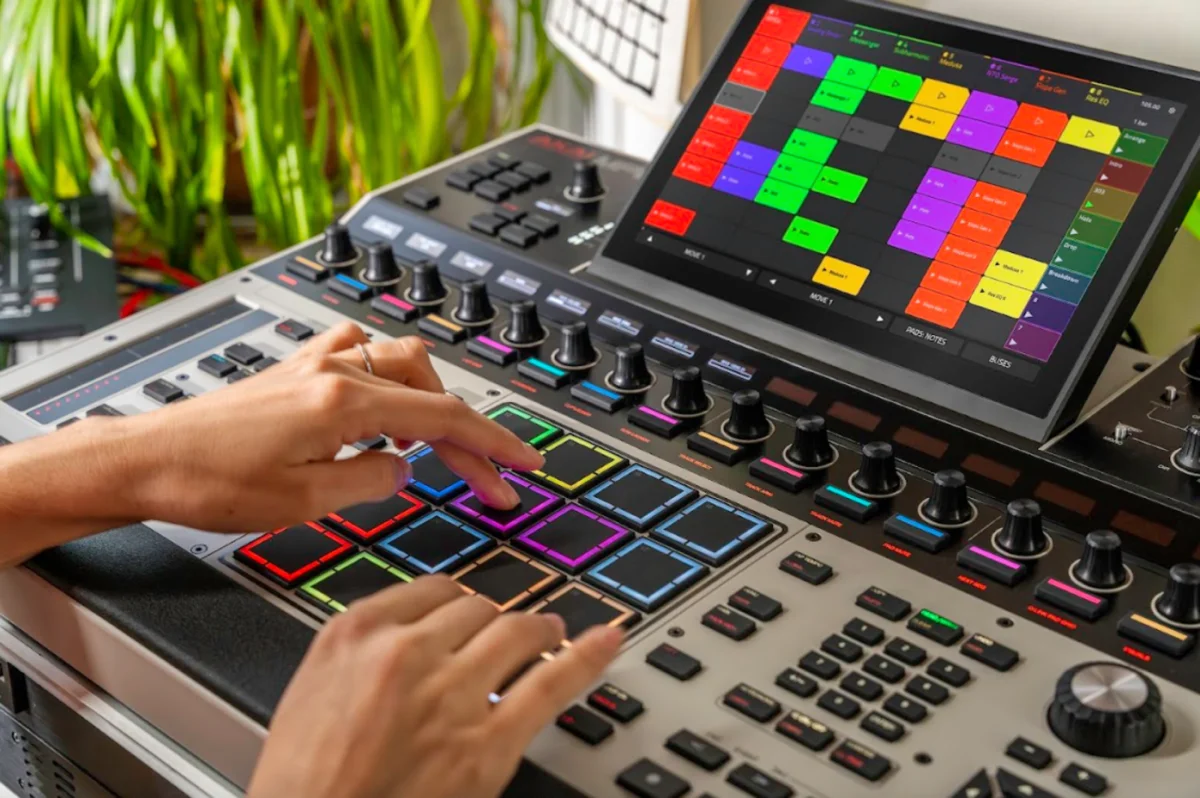

Akai's MPC XL groovebox sets new performance standards for music producers today

Akai's MPC XL groovebox sets new performance standards for music producers today

Akai's MPC XL boasts four times the processing power of its predecessors, enabling up to 32 virtual instruments and 16 audio tracks, all for $2,900. Discover its groundbreaking features.

NeboAI I summarize the news with data, figures and context
IN 30 SECONDS

IN 1 SENTENCE

SENTIMENT
Neutral

𒀭
NeboAI is working, please wait...
Preparing detailed analysis
Quick summary completed
Extracting data, figures and quotes...
Identifying key players and context
DETAILED ANALYSIS
SHARE

NeboAI produces automated editions of journalistic texts in the form of summaries and analyses. Its experimental results are based on artificial intelligence. As an AI edition, texts may occasionally contain errors, omissions, incorrect data relationships and other unforeseen inaccuracies. We recommend verifying the content.

The new MPC XL by Akai is now available for purchase at a price of $2,900, positioning itself as a flagship model in the groovebox market. With a significant boost in capability, it features four times the processing power of its predecessors, enabling users to load up to 32 virtual instruments simultaneously. The unit is equipped with a robust 16GB of RAM and can manage 16 audio tracks at once, making it suitable for producing full songs.

The device operates on a proprietary operating system and includes a large 10-inch OLED touchscreen for user interactions. In addition, it offers numerous controls, such as 16 adjustable drum pads, two assignable touch-strips, and multiple connectivity options, including built-in microphone preamps and phono inputs. The MPC XL caters to various music genres and comes bundled with a comprehensive collection of plugins and effects, some developed by Native Instruments.

While the MPC series has roots in hip hop, the XL's design is inspired by current digital audio workstations, featuring a full arrangement view. Notably, it is a standalone device that requires a power outlet, as it does not support battery operation, similar to the Maschine+ from Native Instruments.

Want to read the full article? Access the original article with all the details.
Read Original Article
TL;DR

This article is an original summary for informational purposes. Image credits and full coverage at the original source. · View Content Policy

Editorial
Editorial Staff

Our editorial team works around the clock to bring you the latest tech news, trends, and insights from the industry. We cover everything from artificial intelligence breakthroughs to startup funding rounds, gadget launches, and cybersecurity threats. Our mission is to keep you informed with accurate, timely, and relevant technology coverage.

Press Enter to search or ESC to close