
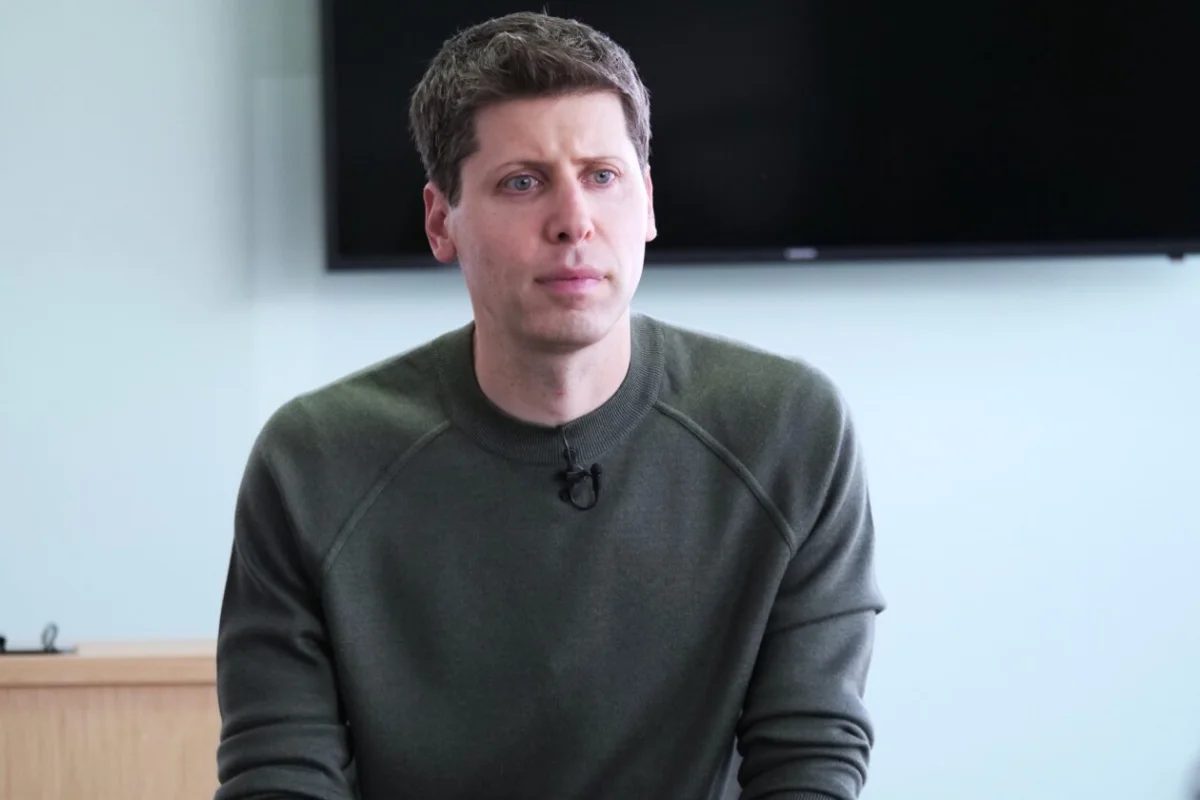

During the Musk v. Altman trial in Oakland, CEO Sam Altman disclosed his ownership of approximately one-third of Helion Energy, a fusion startup based in Everett, Washington. This stake is estimated to be worth around $1.65 billion by late 2025, as indicated by financial documents presented in the case. Altman, who stepped down from Helion's board in March, asserted that he routinely recused himself from any dealings between OpenAI and Helion, particularly regarding decisions and approvals.
Altman clarified that OpenAI has not yet engaged in any power transactions with Helion, although a prospective agreement slated for 2024 could facilitate such interactions in the future. He acknowledged an awareness of a second agreement anticipated in March 2026, although he lacked detailed knowledge about it. Altman noted that a significant portion of his responsibilities at OpenAI involves securing energy and computing resources, tasks he previously managed while chairing Helion’s board.
In the context of the lawsuit, Musk's attorney argued that Altman leveraged his position at OpenAI to enhance his personal investments, which exceed $2 billion in companies linked to OpenAI. Musk has alleged that Altman and other leaders misused their roles to enrich themselves during the transition of OpenAI from a nonprofit to a for-profit entity, a claim countered by OpenAI and Microsoft, who argue Musk sought unilateral control of the organization.