

Rooftop Solar Usage Surges: Key Lessons After 10 Years of Home Energy Transformation

Rooftop Solar Usage Surges: Key Lessons After 10 Years of Home Energy Transformation

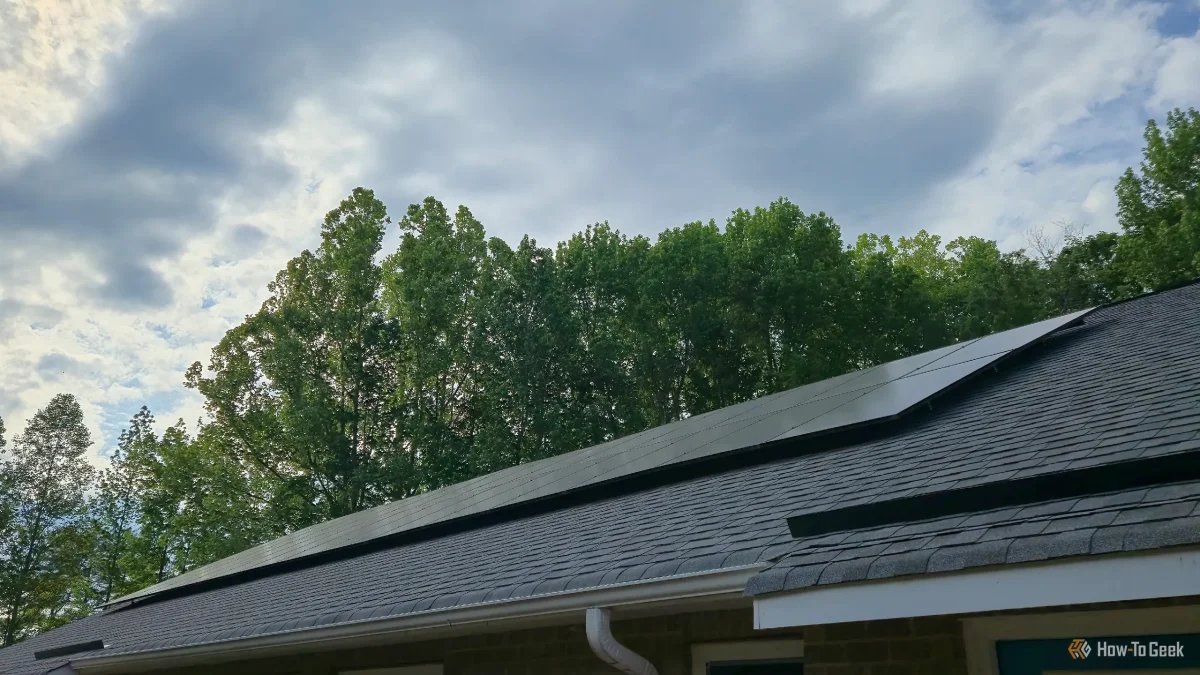
A south-facing roof can amplify solar energy production by up to 150%. With over 40 panels installed, homeowners can significantly reduce their electric bills. Discover how placement impacts efficiency.

NeboAI I summarize the news with data, figures and context
IN 30 SECONDS

IN 1 SENTENCE

SENTIMENT
Neutral

𒀭
NeboAI is working, please wait...
Preparing detailed analysis
Quick summary completed
Extracting data, figures and quotes...
Identifying key players and context
DETAILED ANALYSIS
SHARE

NeboAI produces automated editions of journalistic texts in the form of summaries and analyses. Its experimental results are based on artificial intelligence. As an AI edition, texts may occasionally contain errors, omissions, incorrect data relationships and other unforeseen inaccuracies. We recommend verifying the content.

The installation of solar panels has proven to be a significant investment for homeowners seeking to reduce energy costs. Initially, a system was installed with 28 panels, each capable of generating 400 watts, creating an 11.2kW capacity. Following the first year in the new home, an additional 16 panels were added, boosting the capacity by 7kW, resulting in a total of over 40 panels on the roof.

The effectiveness of solar energy systems is heavily influenced by the orientation of the roof. A southern exposure is ideal, as it allows panels to receive maximum sunlight throughout the day, which is crucial for energy production. The homeowner's previous residence had a southwest-facing roof, while the current home benefits from a direct southern orientation with minimal shading.

Despite the substantial setup, the homeowner still incurs electricity costs, particularly due to high energy consumption from appliances like air conditioning and water heaters. Net metering policies vary by location, affecting how much credit homeowners receive for excess energy produced. The homeowner anticipates that the combined output of both solar arrays will eventually cover the entire electric bill, but confirmation will take up to a year.

Want to read the full article? Access the original article with all the details.
Read Original Article
TL;DR

This article is an original summary for informational purposes. Image credits and full coverage at the original source. · View Content Policy

Editorial
Editorial Staff

Our editorial team works around the clock to bring you the latest tech news, trends, and insights from the industry. We cover everything from artificial intelligence breakthroughs to startup funding rounds, gadget launches, and cybersecurity threats. Our mission is to keep you informed with accurate, timely, and relevant technology coverage.

Press Enter to search or ESC to close