

Gemini’s Design Sparks Nostalgia: Google Draws Parallels with Iconic 1984 Macintosh

Gemini’s Design Sparks Nostalgia: Google Draws Parallels with Iconic 1984 Macintosh

Google's Gemini app employs gradients to enhance user experience, aiming to bridge the gap in AI accessibility and understanding. Discover how design shapes interaction.

NeboAI I summarize the news with data, figures and context
IN 30 SECONDS

IN 1 SENTENCE

SENTIMENT
Neutral

𒀭
NeboAI is working, please wait...
Preparing detailed analysis
Quick summary completed
Extracting data, figures and quotes...
Identifying key players and context
DETAILED ANALYSIS
SHARE

NeboAI produces automated editions of journalistic texts in the form of summaries and analyses. Its experimental results are based on artificial intelligence. As an AI edition, texts may occasionally contain errors, omissions, incorrect data relationships and other unforeseen inaccuracies. We recommend verifying the content.

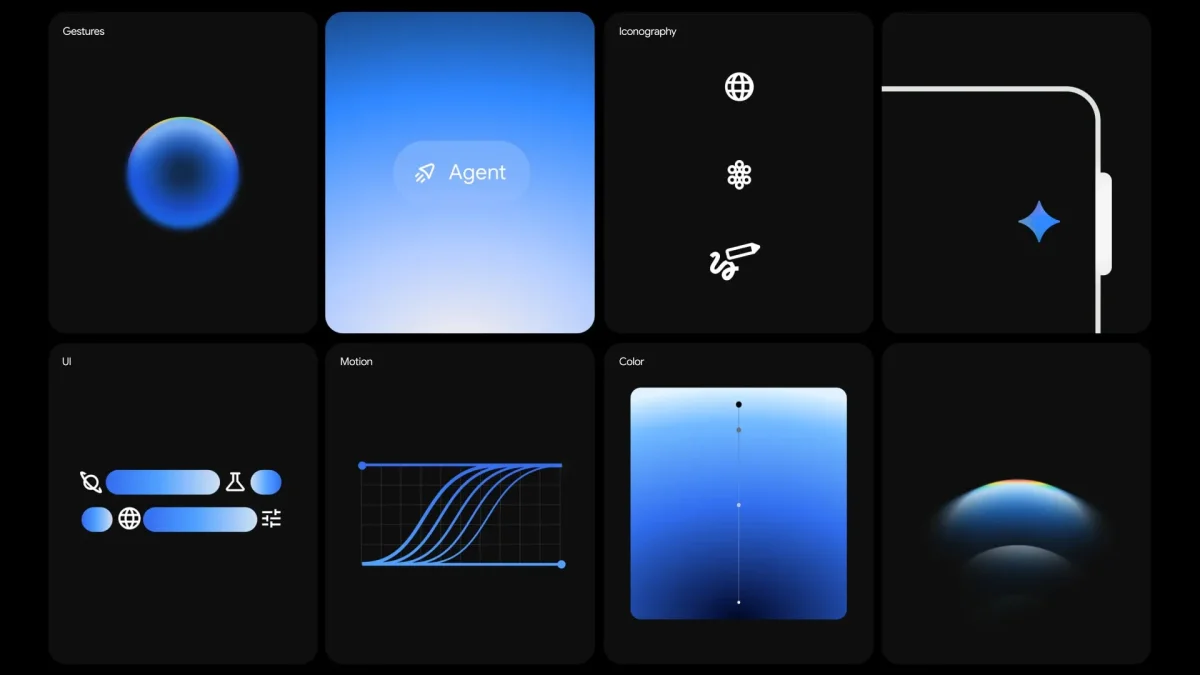
The design of the Gemini app by Google incorporates gradients to enhance user experience by guiding them into a new collaborative environment. This innovative approach addresses challenges in accessibility and visibility, reflecting the evolving nature of AI technology. The gradients serve as visual indicators, directing user attention to important elements within the app.

Google's exploration of design parallels the early days of the Macintosh interface, where icons transformed complex digital functions into intuitive visual cues. The design team aims to personify the AI assistant, making it approachable rather than intimidating. By utilizing gradients, they intend to convey a sense of energy and direction, contrasting with traditional physical objects represented by icons.

Highlighted features of Gemini include its live functionality and Android overlay, alongside animations designed for user interaction. The loading animation on the homepage is influenced by Material 3's expressive shapes, emphasizing a focus on simplicity and harmony, as seen in the app's logo derived from four adjoining circles.

Want to read the full article? Access the original article with all the details.
Read Original Article
TL;DR

This article is an original summary for informational purposes. Image credits and full coverage at the original source. · View Content Policy

Editorial
Editorial Staff

Our editorial team works around the clock to bring you the latest tech news, trends, and insights from the industry. We cover everything from artificial intelligence breakthroughs to startup funding rounds, gadget launches, and cybersecurity threats. Our mission is to keep you informed with accurate, timely, and relevant technology coverage.

Press Enter to search or ESC to close