

AI-Powered ISP Promises to Revolutionize Low-Light Photography for iPhone Users

AI-Powered ISP Promises to Revolutionize Low-Light Photography for iPhone Users

Apple's new AI model, DarkDiff, enhances low-light photography by integrating advanced diffusion techniques directly into camera processing, surpassing traditional methods.

NeboAI I summarize the news with data, figures and context
IN 30 SECONDS

IN 1 SENTENCE

SENTIMENT
Neutral

𒀭
NeboAI is working, please wait...
Preparing detailed analysis
Quick summary completed
Extracting data, figures and quotes...
Identifying key players and context
DETAILED ANALYSIS
SHARE

NeboAI produces automated editions of journalistic texts in the form of summaries and analyses. Its experimental results are based on artificial intelligence. As an AI edition, texts may occasionally contain errors, omissions, incorrect data relationships and other unforeseen inaccuracies. We recommend verifying the content.

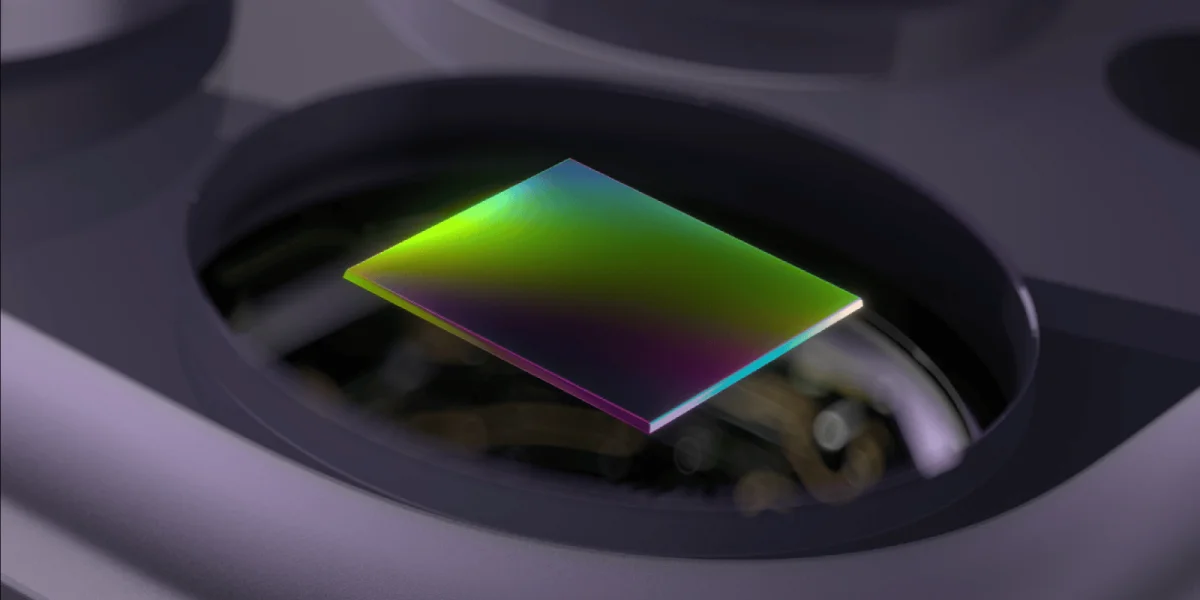
Researchers at Apple have introduced a novel AI model named DarkDiff that significantly enhances the quality of photos taken in extremely low-light conditions. This model integrates a diffusion-based image processing framework directly into the camera’s image signal processing pipeline, enabling it to recover details from sensor data that are typically lost in darkness.

Traditional methods often produce images with excessive grain or smoothness, where fine details are obscured. In contrast, the new model leverages pre-trained generative diffusion models to analyze and reconstruct dark areas of images more effectively. By applying this technique during image capture rather than post-processing, Apple aims to improve perceptual quality in challenging lighting scenarios.

Collaborating with Purdue University, the study titled "DarkDiff: Advancing Low-Light Raw Enhancement by Retasking Diffusion Models for Camera ISP" details how this approach outperforms existing methods across three low-light image benchmarks. The mechanism used in DarkDiff focuses on localized image patches, preserving essential structures and reducing common artifacts found in low-light photography.

Want to read the full article? Access the original article with all the details.
Read Original Article
TL;DR

This article is an original summary for informational purposes. Image credits and full coverage at the original source. · View Content Policy

Editorial
Editorial Staff

Our editorial team works around the clock to bring you the latest tech news, trends, and insights from the industry. We cover everything from artificial intelligence breakthroughs to startup funding rounds, gadget launches, and cybersecurity threats. Our mission is to keep you informed with accurate, timely, and relevant technology coverage.

Press Enter to search or ESC to close