

The potential integration of artificial intelligence (AI) into diplomatic functions could significantly enhance the efficiency of diplomatic efforts, particularly in crisis situations. Mahvash Siddiqui, a veteran Foreign Service officer, highlighted that while AI can aid in decision-making, it cannot replace the essential human judgment required in diplomacy.
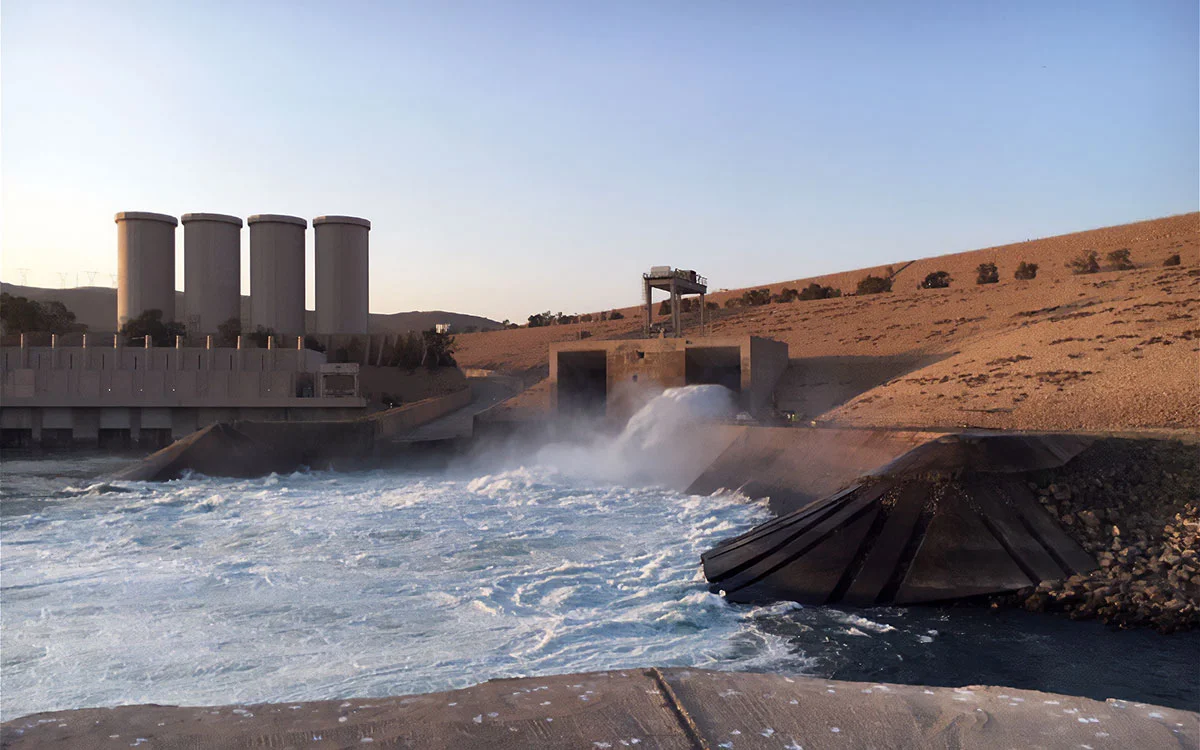
Siddiqui recalled her experience during the 2014 ISIS seizure of Iraq’s Mosul Dam, where she acted as a water-security adviser without the immediate technical support from the U.S. Army Corps of Engineers. She utilized her training in physics and calculus to analyze critical data and guide military leaders in a situation fraught with danger, demonstrating the need for AI systems capable of quickly processing engineering information to support human decision-making.
Moreover, during her time in Baghdad, Siddiqui noted the challenges posed by fragmented information and its impact on national security. In 2013, her team provided unclassified warnings about an influx of foreign fighters, which had been overlooked by major media outlets. She argued that AI could have synthesized this localized intelligence into a clearer warning, potentially changing U.S. engagement in the region. Siddiqui also pointed out that AI analysis at the Iran Threat Directorate revealed an 800 percent increase in coordinated disinformation campaigns from various countries, illustrating AI's ability to handle complex data that would overwhelm manual efforts.