
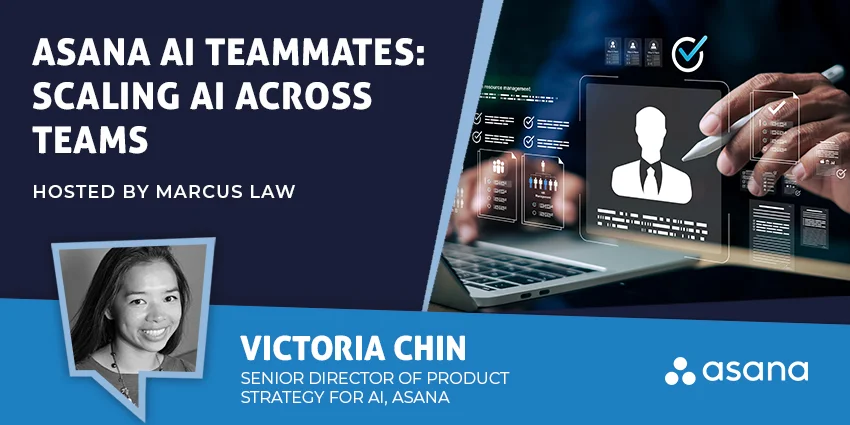

Asana's AI Teammates Set to Revolutionize Workflow, Promising 15,000 Hours Saved Each Year

Asana's AI Teammates Set to Revolutionize Workflow, Promising 15,000 Hours Saved Each Year

Asana's AI Teammates aim to transform team productivity, potentially saving companies billions by reducing coordination tasks that consume over half of knowledge workers' time.

NeboAI I summarize the news with data, figures and context
IN 30 SECONDS

IN 1 SENTENCE

SENTIMENT
Neutral

𒀭
NeboAI is working, please wait...
Preparing detailed analysis
Quick summary completed
Extracting data, figures and quotes...
Identifying key players and context
DETAILED ANALYSIS
SHARE

NeboAI produces automated editions of journalistic texts in the form of summaries and analyses. Its experimental results are based on artificial intelligence. As an AI edition, texts may occasionally contain errors, omissions, incorrect data relationships and other unforeseen inaccuracies. We recommend verifying the content.

Asana is launching its AI Teammates to enhance teamwork and collective productivity in the workplace. This initiative aims to address the significant time knowledge workers spend on coordination tasks, which often detracts from strategic efforts. Research by Asana indicates that over half of their work hours are lost to activities like status updates and follow-ups.

Victoria Chin, the Senior Director of Product Strategy for AI at Asana, highlighted the limitations of existing AI tools that typically improve individual efficiency but do not support team dynamics. The AI Teammates are integrated within the Asana platform, which has been refined over 15 years to create a comprehensive work data model. This allows these tools to grasp project goals, timelines, and team priorities, fostering a shared memory among all members.

In its beta program, Asana has already collected data from over 200 customers, yielding promising results. For example, Morningstar reported saving about 15,000 person-hours each year through improved processes, while KW Automotive experienced significant reductions in manual data analysis time. Asana’s approach also includes robust role-based access controls to address IT governance concerns, ensuring effective management of AI agents within organizations.

Want to read the full article? Access the original article with all the details.
Read Original Article
TL;DR

This article is an original summary for informational purposes. Image credits and full coverage at the original source. · View Content Policy

Editorial
Editorial Staff

Our editorial team works around the clock to bring you the latest tech news, trends, and insights from the industry. We cover everything from artificial intelligence breakthroughs to startup funding rounds, gadget launches, and cybersecurity threats. Our mission is to keep you informed with accurate, timely, and relevant technology coverage.

Press Enter to search or ESC to close