
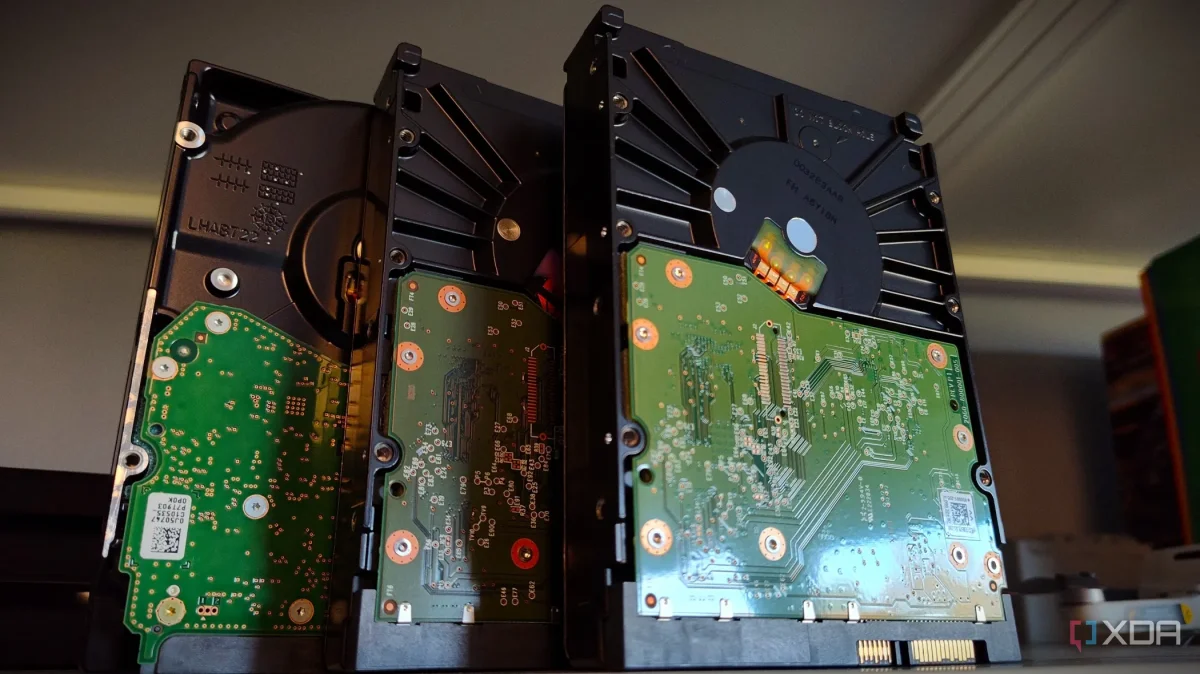

Data redundancy is a crucial aspect of managing storage in Network-Attached Storage (NAS) systems. RAID, or Redundant Array of Independent/Inexpensive Disks, enables users to enhance data protection by incorporating additional hard drives into their NAS. This configuration can aid in recovery when a drive fails, though it is not infallible.
Despite its advantages, RAID setups present complexities that can lead to data loss if not managed correctly. For example, RAID 0 prioritizes speed over redundancy, increasing vulnerability to data loss. Users may experience significant risks if multiple drives fail beyond the RAID level's tolerance, resulting in irretrievable data.
Moreover, RAID configurations cannot substitute for traditional backups. Problems such as firmware failures, accidental deletions, and malware attacks can compromise RAID's effectiveness. To safeguard against these issues, a 3-2-1 backup strategy is recommended, which involves maintaining essential files on a remote server for reliable recovery.
In summary, while RAID can enhance NAS performance and fault tolerance, it is imperative to implement additional backup measures to ensure comprehensive data security.