

The launch of NASA's Swift Boost mission is scheduled for June 27 to address the rapid orbital decay of the Neil Gehrels Swift Observatory. This mission aims to extend the telescope's operational life by performing a rendezvous to elevate its orbit. The Swift telescope, which has been in service since 2004, specializes in studying gamma-ray bursts and now functions as a multi-wavelength observatory.
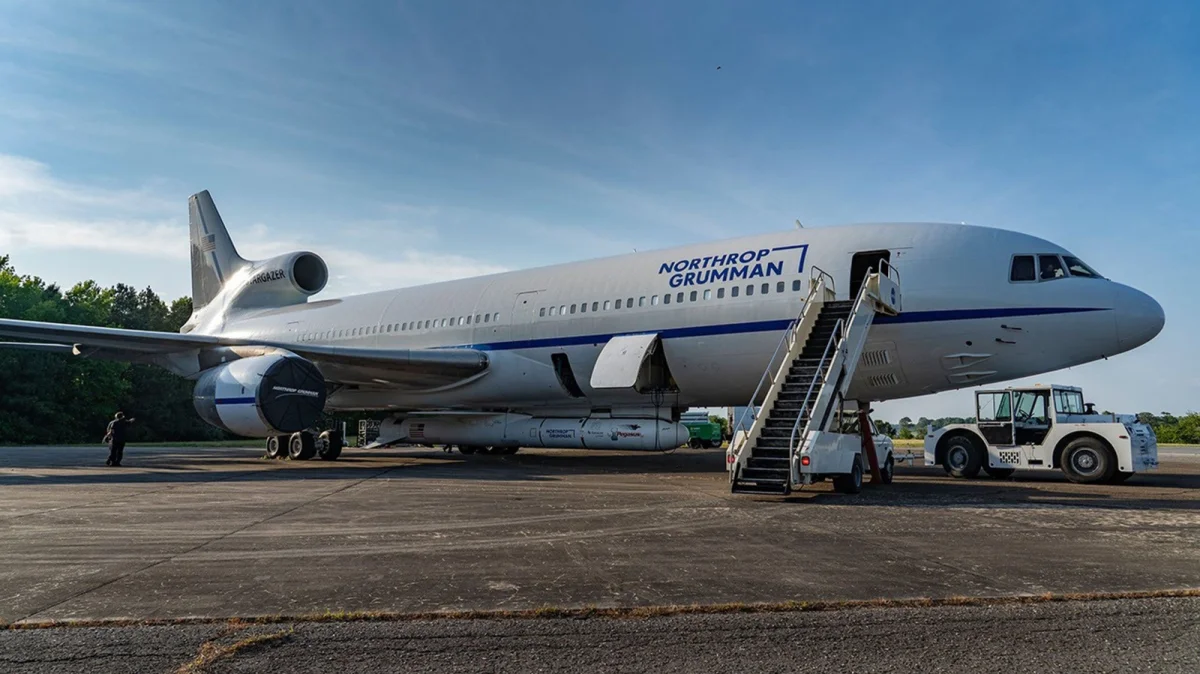
NASA has partnered with Katalyst Space to create a robotic spacecraft named LINK, designed to dock with the observatory. Recent preparations include the installation of LINK on a Northrop Grumman Pegasus XL rocket at NASA's Wallops Flight Facility in Virginia. This rocket was then attached to a plane, Stargazer, which transported it to Kwajalein Atoll in the South Pacific for launch.
Swift's accelerated orbital decline is attributed to increased atmospheric drag linked to heightened solar activity. NASA's Shawn Domagal-Goldman emphasized the urgency of the mission, stating that leveraging commercial technologies is essential to overcome this challenge.