
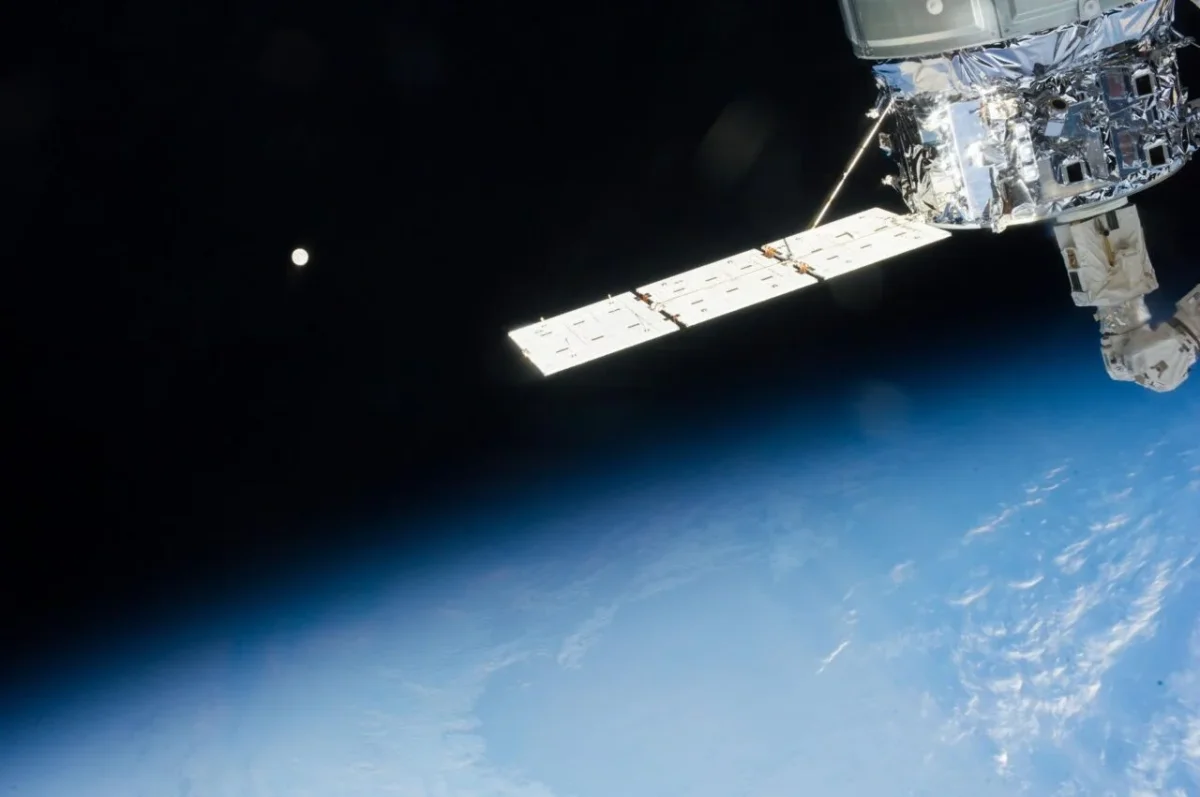

Recent research has revealed a promising fuel-saving strategy for lunar missions, showcasing a potential reduction in fuel consumption by 58.80 meters per second (m/s). A team led by Allan Kardec de Almeida Júnior from the University of Coimbra conducted an extensive analysis that involved simulating 30 million different routes to the Moon.
The findings, published in an Astrodynamics paper, challenge existing flight path models which suggest that spacecraft should enter a natural trajectory closest to Earth. Instead, the new approach advocates for a path that begins closer to the Moon. This method leverages the theory of functional connections, allowing for optimization without the need for expensive spaceflight simulations.
NASA has emphasized that planning a flight path to the Moon encompasses numerous considerations, including trajectory design and spacecraft tracking. While this study does not provide a complete solution for all aspects of spaceflight planning, it establishes a significant foundation for future exploration.