
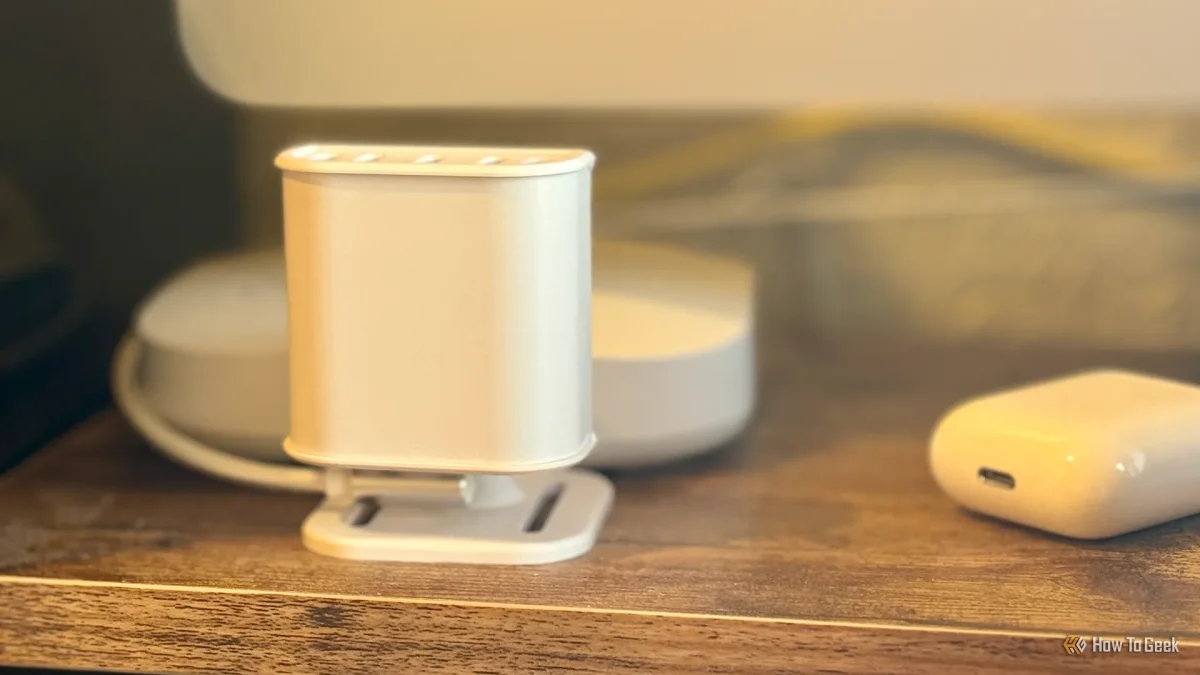

Implementing smart home lighting can enhance convenience, but challenges arise with motion detection technology. A common automation involves a smart bulb that activates upon motion, providing an initial sense of magic. However, difficulties occur when trying to turn off the lights after leaving the room, as traditional motion sensors may fail to detect stillness, leading to unexpected darkness.
For a more effective solution, presence sensors can be employed. These devices, utilizing mmWave technology, accurately monitor not only entry into a space but also ongoing occupancy, even picking up subtle movements like breathing. This capability allows for a more seamless experience, where lights adjust according to presence. Nevertheless, presence sensors may introduce a slight delay in activating lights, which can be mitigated by combining them with faster PIR motion sensors for immediate response upon entry.
By strategically using both sensor types, homeowners can create a truly automated lighting experience, enhancing their living environment with minimal manual control.