
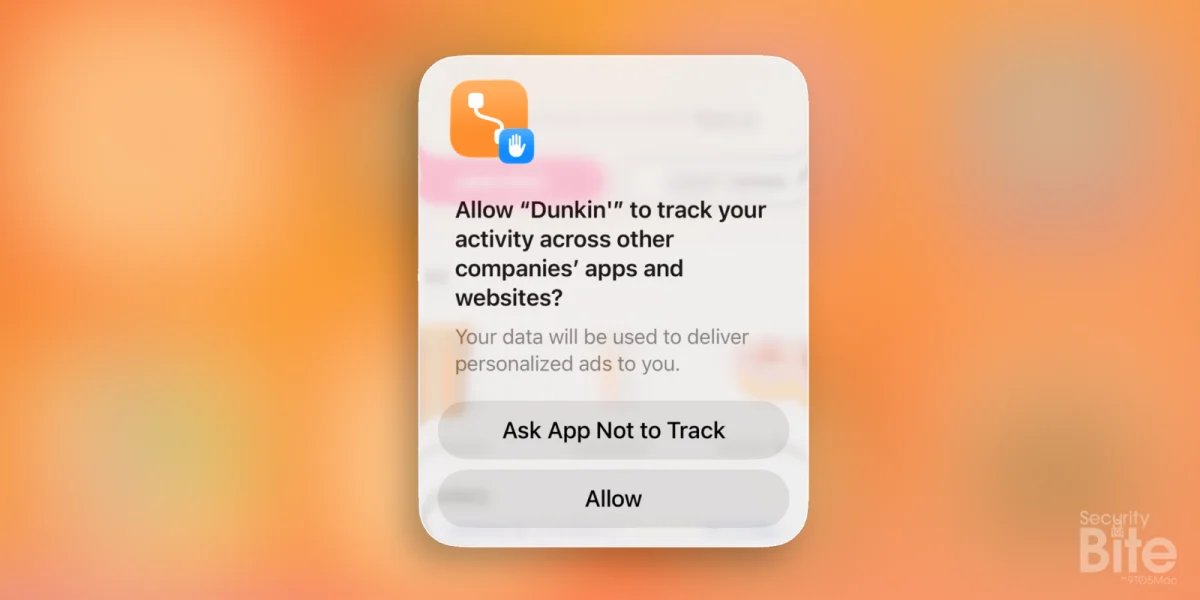

Users gain control over privacy: Decoding the impact of 'Ask App Not to Track' feature

Users gain control over privacy: Decoding the impact of 'Ask App Not to Track' feature

In 2025, Apple's App Tracking Transparency impacts user data control, requiring permission for tracking across apps. With 45,000 organizations leveraging secure Apple management, the stakes for privacy are higher than ever. Discover the implications.

NeboAI I summarize the news with data, figures and context
IN 30 SECONDS

IN 1 SENTENCE

SENTIMENT
Neutral

𒀭
NeboAI is working, please wait...
Preparing detailed analysis
Quick summary completed
Extracting data, figures and quotes...
Identifying key players and context
DETAILED ANALYSIS
SHARE

NeboAI produces automated editions of journalistic texts in the form of summaries and analyses. Its experimental results are based on artificial intelligence. As an AI edition, texts may occasionally contain errors, omissions, incorrect data relationships and other unforeseen inaccuracies. We recommend verifying the content.

Over 45,000 organizations currently rely on Mosyle's Apple Unified Platform, which automates the management and security of Apple devices. This platform offers a range of advanced solutions including AI-powered Zero Trust and Next Generation EDR, aimed at enhancing compliance and hardening security for enterprises.

In 2021, Apple introduced App Tracking Transparency (ATT) with iOS 14.5, marking a significant shift in user privacy for third-party applications. Under this framework, developers must obtain user consent before sharing data, a practice designed to give iPhone users more control over their personal information.

When users download new apps, they encounter a prompt asking if they allow tracking across platforms. Choosing “Allow” enables the app to collect extensive user data, which is highly valuable for advertising. Conversely, selecting “Ask App Not to Track” prevents apps from accessing the Identifier for Advertisers (IDFA), effectively limiting their ability to gather behavioral data.

This control mechanism is built to block data access at the system level, making it difficult for companies to bypass it, although tracking via IP addresses remains a potential loophole for developers.

Want to read the full article? Access the original article with all the details.
Read Original Article
TL;DR

This article is an original summary for informational purposes. Image credits and full coverage at the original source. · View Content Policy

Editorial
Editorial Staff

Our editorial team works around the clock to bring you the latest tech news, trends, and insights from the industry. We cover everything from artificial intelligence breakthroughs to startup funding rounds, gadget launches, and cybersecurity threats. Our mission is to keep you informed with accurate, timely, and relevant technology coverage.

Press Enter to search or ESC to close