
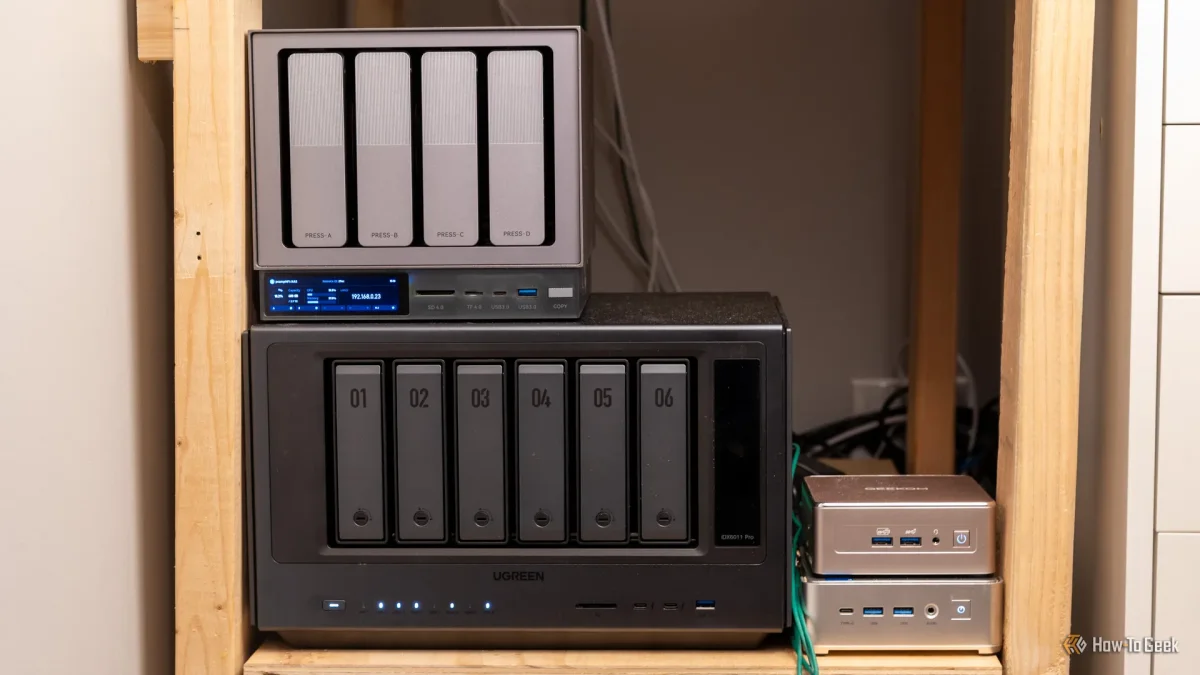

The longevity of Network Attached Storage (NAS) devices is significantly influenced by their operating environment and hardware specifications. Many users neglect the importance of selecting appropriate hard drives, often opting for standard consumer HDDs instead of NAS-specific drives like the WD Red Plus or Seagate IronWolf. This oversight can lead to premature failure of the system due to fundamental differences in design and intended use.
Unlike standard desktop drives, which are built for limited daily operation, NAS drives are engineered for continuous use, intended to run 24/7. Standard drives typically last for about eight hours a day, five days a week, making them unsuitable for the demands of a NAS environment where constant access is required.
To avoid potential damage, users should prioritize proper ventilation and cooling while setting up their NAS. The durability and heat resistance of NAS-specific drives are crucial to preventing overheating and ensuring reliable performance over time. Neglecting these factors can result in significant performance issues and early drive failure.