
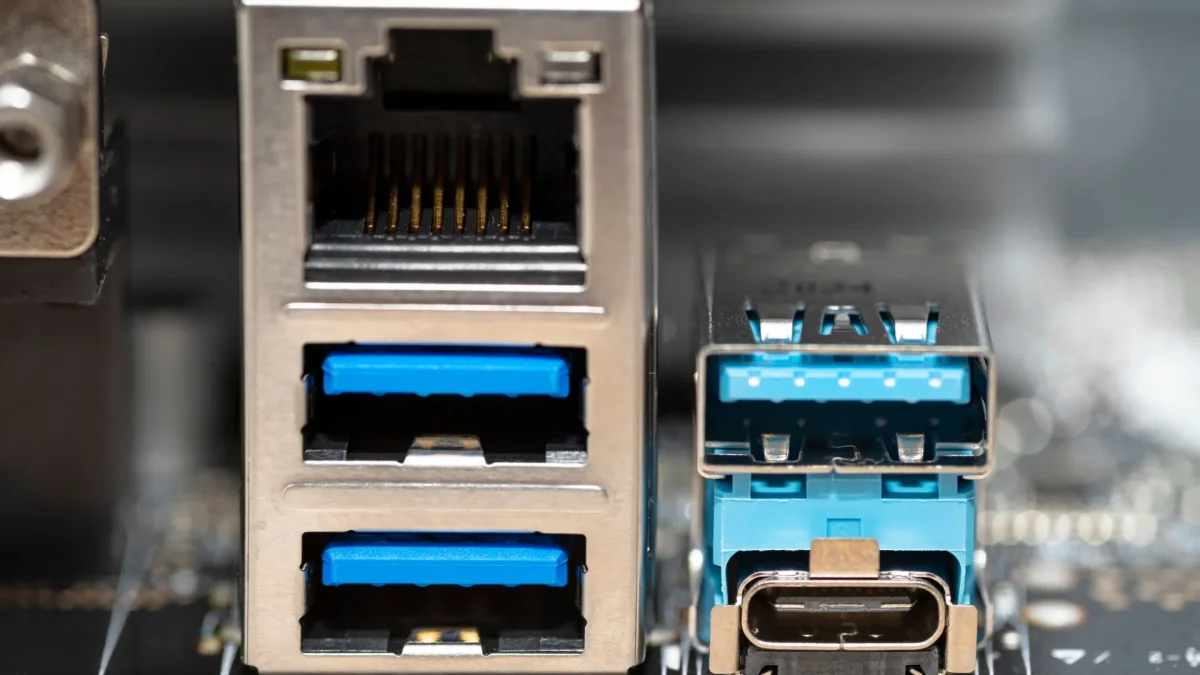

While USB-C has gained popularity in mobile devices for its compact design and improved functionality, its adoption in desktop PCs has been slower. Users of laptops are often devoted to the benefits of USB-C, but desktop users have shown less enthusiasm for its implementation. Many desktop motherboards still lack USB-C ports, even among high-end models, limiting the technology's integration.
The space-saving advantages of USB-C are less impactful on desktops, where there is ample room for traditional ports. As a result, many users can rely on existing USB-A connectors and adapters to connect devices without the need for USB-C. For most applications, the performance of USB-A meets user needs, especially considering that high-speed external SSDs and eGPUs are not common in desktop setups.
As the demand for USB-C on desktops remains low, manufacturers may not prioritize its inclusion, leaving users to adapt with available solutions. This discrepancy highlights the ongoing divergence in how USB-C is utilized across different computing environments.