

Singapore's Central Kitchens: A Global Comparison Highlights Areas for Improvement

Singapore's Central Kitchens: A Global Comparison Highlights Areas for Improvement

In 2026, 13 schools adopted a central kitchen model for meal provision, addressing staffing challenges while raising concerns over food quality and choice. How will this shift impact student nutrition?

NeboAI I summarize the news with data, figures and context
IN 30 SECONDS

IN 1 SENTENCE

SENTIMENT
Neutral

𒀭
NeboAI is working, please wait...
Preparing detailed analysis
Quick summary completed
Extracting data, figures and quotes...
Identifying key players and context
DETAILED ANALYSIS
SHARE

NeboAI produces automated editions of journalistic texts in the form of summaries and analyses. Its experimental results are based on artificial intelligence. As an AI edition, texts may occasionally contain errors, omissions, incorrect data relationships and other unforeseen inaccuracies. We recommend verifying the content.

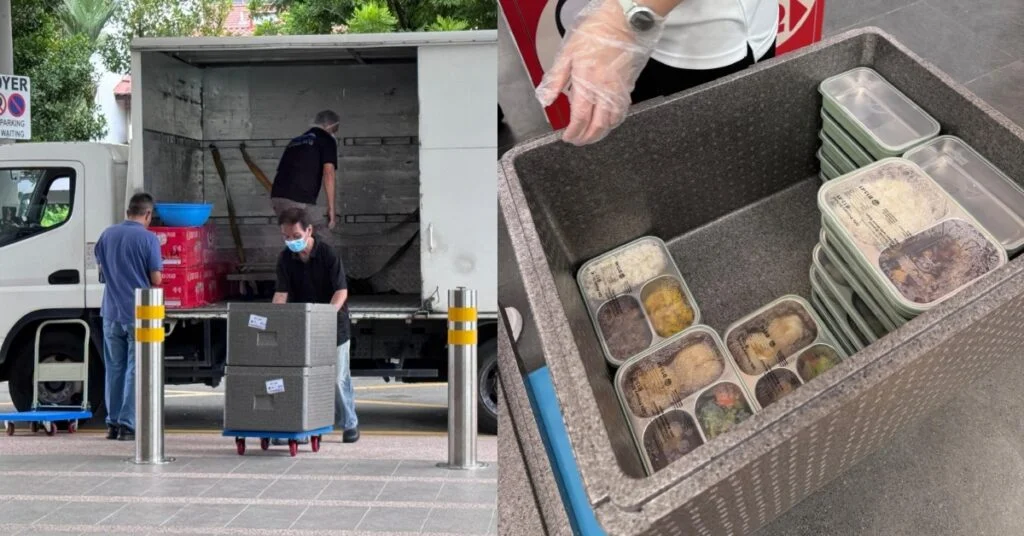
Starting in January 2026, a total of 13 schools have transitioned to a centralized kitchen system for meal provision, aiming to address challenges in attracting canteen vendors. The Ministry of Education has designated several caterers, including Chang Cheng Mee Wah Food Industries and Wilmar Distribution, to oversee the preparation and distribution of meals from large off-campus kitchens.

Meals are prepared in bulk, beginning as early as 4 AM, and are delivered to schools by 7 AM. This new system allows students to pre-order meals digitally, with options accommodating dietary restrictions being filtered automatically. Despite the operational efficiencies claimed by the central kitchen model, including improved hygiene and consistent pricing, it has sparked controversy, particularly after viral images from Hwa Chong Institution depicted the quality of meals served.

While some schools have adopted a hybrid model, combining centrally prepared meals with on-site stalls, critics argue that this approach may overlook the importance of variety and quality. The ongoing discussions raise the question of how Singapore can enhance this centralized meal system by learning from the experiences of other countries that have implemented similar models.

Want to read the full article? Access the original article with all the details.
Read Original Article
TL;DR

This article is an original summary for informational purposes. Image credits and full coverage at the original source. · View Content Policy

Editorial
Editorial Staff

Our editorial team works around the clock to bring you the latest tech news, trends, and insights from the industry. We cover everything from artificial intelligence breakthroughs to startup funding rounds, gadget launches, and cybersecurity threats. Our mission is to keep you informed with accurate, timely, and relevant technology coverage.

Press Enter to search or ESC to close